Cashback Structures Transforming On-Ramps to Licensed Wheel Gaming Arenas
Greta Hoffmann · Jul 8, 2026
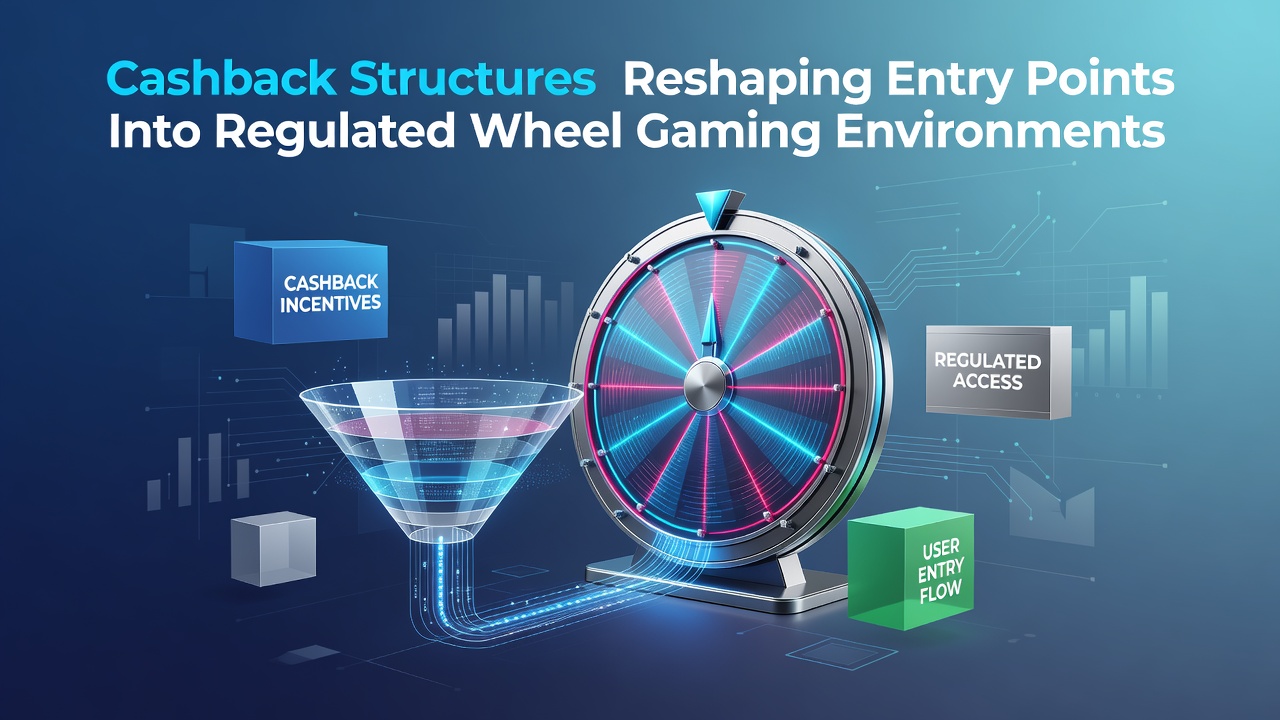
Cashback Structures Transforming On-Ramps to Licensed Wheel Gaming Arenas
Data from multiple jurisdictions shows cashback structures have become a primary mechanism for reshaping how new participants access regulated wheel gaming environments, with rebates typically calculated as a percentage of net losses returned to player accounts after defined periods. Observers note these frameworks differ from traditional deposit matches because they focus on loss mitigation rather than initial funding boosts, allowing operators in controlled markets to maintain compliance while adjusting entry thresholds for broader participation. In July 2026 reports from several licensing bodies highlighted continued expansion of such programs across European and North American platforms, where wheel-based games like roulette serve as central offerings.
Mechanics Behind Cashback in Wheel Gaming
Cashback programs operate through automated tracking systems that monitor player activity over weekly or monthly cycles, then credit a fixed percentage back to eligible accounts when net losses reach predetermined levels. Research from industry analysts indicates these percentages often range between five and fifteen percent depending on player tier and platform volume, with funds released either as bonus credits subject to playthrough or as withdrawable cash once verification clears. Those who've examined operator data across multiple sites find the structures frequently incorporate caps on maximum rebates per cycle, which prevents unlimited exposure while still providing measurable relief that encourages continued engagement at regulated tables.
Integration with live dealer interfaces allows real-time loss calculations to feed directly into cashback ledgers, reducing administrative delays that once characterized manual review processes. Figures from platform audits reveal faster processing times in 2026 compared with earlier years, as automated reconciliation tools handle the bulk of calculations before human oversight applies final approvals.
Entry Point Adjustments Observed Across Markets
Entry barriers have shifted noticeably where cashback structures appear, because the rebate component effectively lowers the financial threshold required for sustained play. Data indicates new registrants often receive immediate eligibility for cashback tiers after completing basic verification steps, which removes the need for large upfront deposits that previously filtered participation. According to reports compiled by the Alcohol and Gaming Commission of Ontario, operators incorporating loss-based rebates recorded higher volumes of first-time sessions in wheel categories during the first half of 2026.
Take one operator group that introduced tiered cashback aligned with deposit size; observers documented a measurable uptick in accounts crossing from free-play modes into real-money roulette within the initial seventy-two hours. This pattern aligns with findings from the University of Nevada's International Gaming Institute, which tracked similar onboarding shifts in several licensed North American environments during the same period.

Regulatory Frameworks Supporting Cashback Implementation
Licensing authorities in multiple regions require operators to disclose cashback terms clearly within player agreements, including exact calculation methods, eligibility windows, and any restrictions on fund withdrawal. The Alcohol and Gaming Commission of Ontario and equivalent bodies in Australia have issued guidance documents that emphasize transparency around rebate percentages and caps, ensuring participants understand the net effect on overall bankroll before committing funds. Compliance audits in July 2026 confirmed most major platforms had updated their interface prompts to display projected cashback estimates during active sessions, satisfying updated disclosure standards.
Operators must also maintain segregated accounts for cashback liabilities, a requirement that prevents commingling of player funds with operational reserves. Those monitoring regulatory filings note this separation adds administrative layers yet supports long-term stability for programs that scale with player volume.
Global Patterns and Platform Variations
European platforms licensed under Malta or Gibraltar frameworks frequently bundle cashback with loyalty point systems, allowing accumulated rebates to convert into additional perks such as exclusive wheel tournament entries. Meanwhile, Australian state regulators have focused on ensuring cashback offers remain available across both desktop and mobile channels without introducing unfair wagering multipliers. Cross-border comparisons compiled by the European Gaming and Betting Association show convergence toward standardized reporting formats that track rebate utilization rates alongside player retention metrics.
One documented case involved a multi-jurisdictional operator that aligned cashback schedules across its UK, Canadian, and Australian properties, resulting in unified backend systems that simplified compliance reporting. Data from that rollout indicated consistent participation growth in wheel games regardless of regional differences in tax treatment or minimum age thresholds.
Conclusion
Cashback structures continue to influence how regulated wheel gaming environments attract and retain participants by recalibrating the financial dynamics of initial sessions. Evidence from licensing authorities, academic tracking projects, and industry associations demonstrates these mechanisms operate within established compliance boundaries while altering traditional onboarding sequences. As platforms refine automated tracking and disclosure practices through 2026, the role of loss-based rebates in shaping entry pathways remains a central element of operational strategy across licensed markets.