Charting Player Progression Paths Through Layered Incentive Systems at Virtual Wheel Tables
Elena Jung · Jun 29, 2026
Charting Player Progression Paths Through Layered Incentive Systems at Virtual Wheel Tables
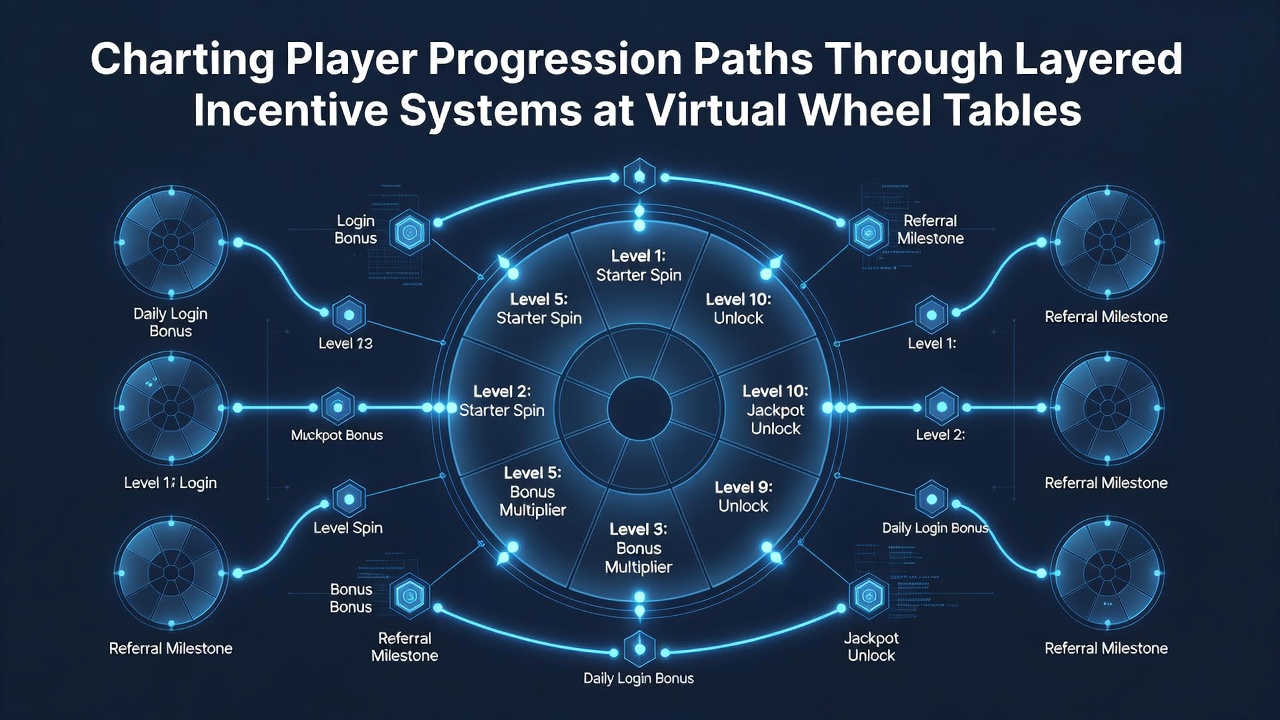
Virtual wheel tables operate through structured progression systems that guide participants along defined paths using multiple layers of incentives, and these mechanisms combine entry-level rewards with ongoing loyalty frameworks to shape extended engagement patterns. Observers note that operators design these paths so initial bonuses transition into cumulative point systems which unlock successive reward tiers, creating a continuous flow from basic participation toward higher-value interactions.
Core Components of Layered Incentive Frameworks
Entry incentives typically begin with deposit-matched credits or free spin allocations that introduce new participants to wheel mechanics, after which accumulated activity converts into loyalty points redeemable across subsequent sessions. These points feed into tier advancement where each level grants escalating benefits such as reduced wagering thresholds on bonus funds, enhanced cashback percentages on net losses, and access to dedicated support channels. Research from the American Gaming Association highlights how such layered structures maintain consistent participation rates across digital platforms throughout 2025 and into June 2026.
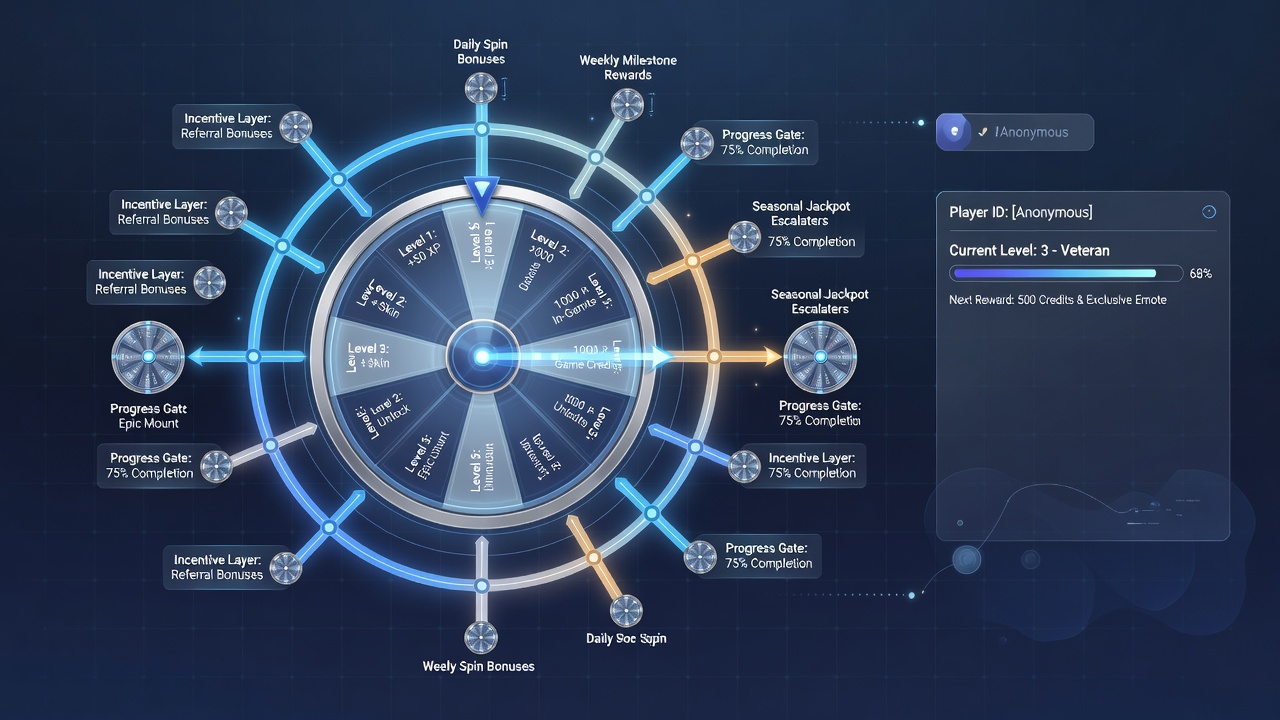
Progression occurs in stages that reward frequency and volume, with early tiers focusing on volume-based multipliers while later stages incorporate personalized elements like custom wheel variants or priority event access. Operators track metrics including total spins completed and average bet sizes to determine advancement eligibility, ensuring the system remains transparent through visible progress dashboards. Data from industry analyses shows participants who reach mid-tier status demonstrate longer session durations compared to those remaining at entry levels.
Mechanics Driving Advancement at Digital Tables
Point accrual follows standardized formulas where each wager contributes a fixed percentage toward the next threshold, and bonus releases occur automatically once requirements are satisfied. Players encounter branching options at certain milestones, allowing selection between immediate cash equivalents or longer-term multipliers that compound future earnings. External reports from the Nevada Gaming Control Board indicate these branching choices correlate with varied retention patterns observed across regulated markets during the first half of 2026.
Layer integration appears through simultaneous activation of multiple incentive types, for instance combining daily login rewards with weekly challenge completions that feed the same progression meter. This simultaneity prevents stagnation by offering alternative routes when one path slows, and operators adjust thresholds periodically based on aggregate platform data to sustain forward momentum. Those who study retention metrics find that participants utilizing multiple concurrent layers reach upper tiers at higher rates than those relying on single incentive streams.
Observed Patterns Across Platforms in Mid-2026
Platform operators have expanded tier depth in response to participation data collected through the first two quarters of 2026, adding intermediate levels between traditional bronze-to-platinum structures. These additions create more frequent reward moments that maintain engagement during transitional periods when larger milestones remain distant. Figures from the European Gaming and Betting Association reveal increased deployment of hybrid progression models that blend time-limited events with permanent tier benefits.
Case observations show participants advancing through five to seven distinct tiers within six months when consistent wheel activity combines with bonus optimization. Advancement speed varies according to bet sizing strategies and promotional participation frequency, with higher-volume users accelerating through early tiers while lower-stake players benefit from extended timelines that still deliver proportional rewards. University-affiliated studies on digital gaming behaviors document how these graduated timelines accommodate diverse playing styles without disrupting overall system balance.
Integration With Real-Time Wheel Features
Live dealer integrations layer additional incentives onto progression paths by awarding bonus points for participation in specific game variants or time windows. Speed wheel formats often carry accelerated point multipliers that shorten the distance between tiers, and operators promote these during peak hours to distribute activity across available tables. The combination produces dynamic paths where participants can strategically select game modes to optimize advancement rates.
Cross-promotional elements connect wheel play with other platform activities, channeling points earned elsewhere into roulette-specific rewards. This connectivity expands effective progression options while keeping focus on virtual wheel environments as the primary destination for tier benefits. Reports compiled through June 2026 demonstrate that platforms employing such cross-links experience measurable upticks in wheel table traffic during promotional cycles.
Conclusion
Layered incentive systems at virtual wheel tables establish measurable routes for participant advancement that rely on transparent point mechanics, tier thresholds, and multi-type reward combinations. Data collected across regulated markets through mid-2026 confirms these structures support sustained activity by aligning immediate entry benefits with longer-term loyalty outcomes. Continued refinement of tier depths and integration methods reflects ongoing adaptation to observed player behavior patterns across diverse digital environments.