Decoding how seasonal player migration patterns reshape roulette incentive structures at UK platforms
Riley Richter · Jun 22, 2026
The Roulette Ripple Effect: Seasonal Player Flows Reshaping Bonus Structures Across British Online Tables
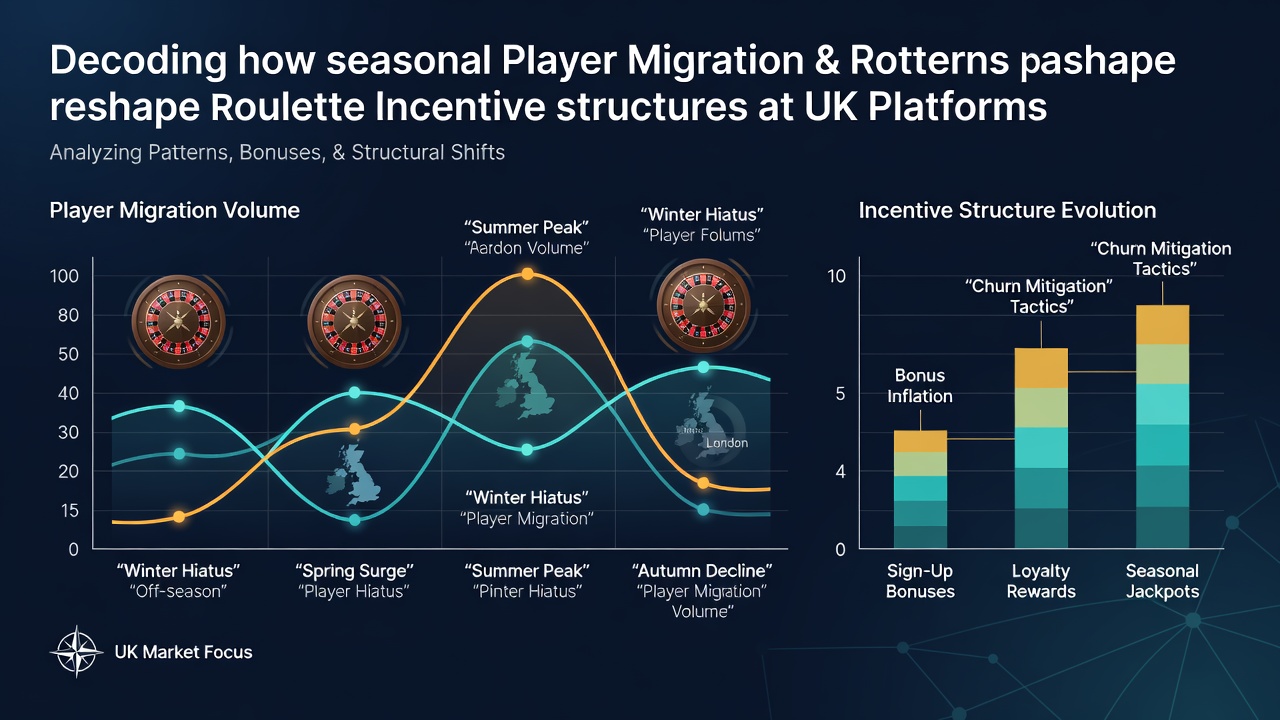
Seasonal player migration patterns emerge when participation levels fluctuate with holidays, weather changes, and major events, prompting UK platforms to adjust roulette incentives accordingly. Data from industry reports shows these movements often peak during winter months when indoor activities rise, while summer periods see declines as travel increases. Observers note that operators respond by modifying deposit matches, cashback rates, and free spin allocations tied to roulette tables to maintain engagement across these cycles. Research indicates migration influences bonus structures through shifts in player volume and spending habits. During high-migration windows like December and January, platforms frequently expand welcome offers and loyalty tiers for roulette to capture returning users. In contrast, lower-activity seasons prompt targeted promotions such as enhanced cashback on losses or reduced wagering requirements to draw participants back. Figures reveal these adjustments help stabilize revenue streams even when overall traffic dips.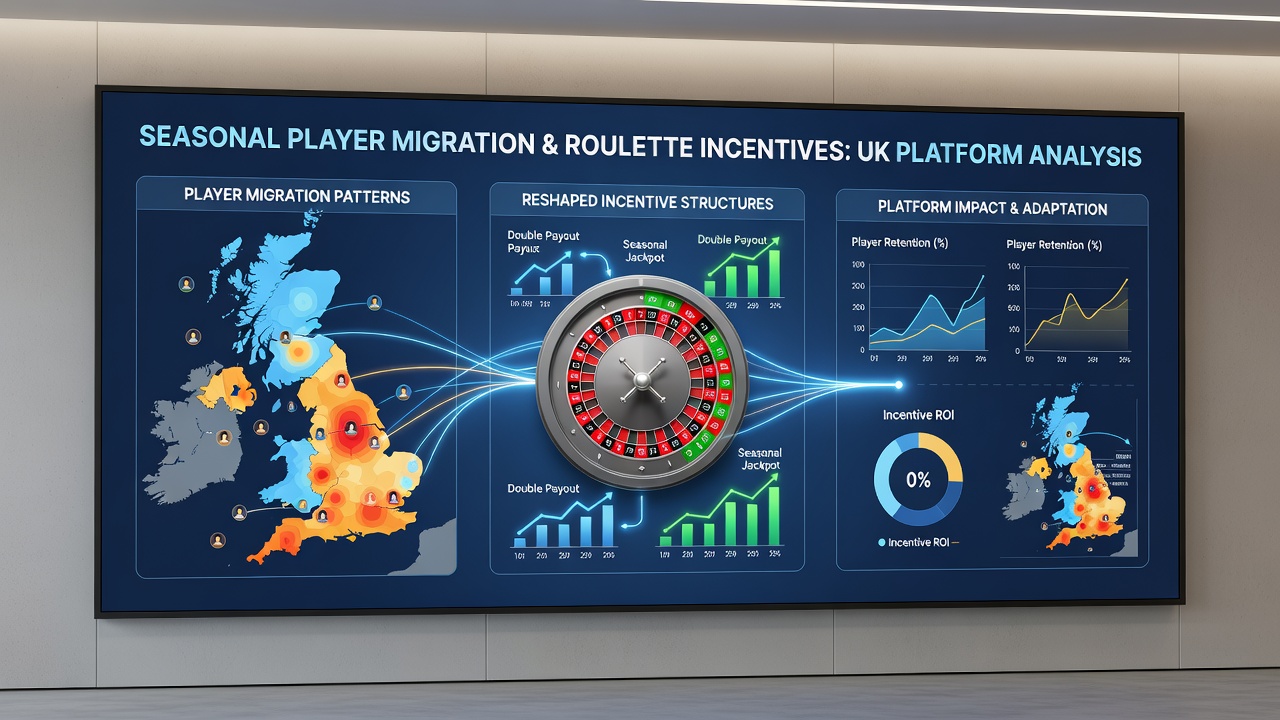 One case involved platforms introducing accelerated loyalty points for roulette sessions in early summer 2026 to offset anticipated drops, while another adjusted playthrough thresholds based on observed regional movement patterns. These examples illustrate how data-driven responses maintain competitive positioning without altering core game mechanics.
Seasonal player migration patterns emerge when participation levels fluctuate with holidays, weather changes, and major events, prompting UK platforms to adjust roulette incentives accordingly. Data from industry reports shows these movements often peak during winter months when indoor activities rise, while summer periods see declines as travel increases. Observers note that operators respond by modifying deposit matches, cashback rates, and free spin allocations tied to roulette tables to maintain engagement across these cycles. Research indicates migration influences bonus structures through shifts in player volume and spending habits. During high-migration windows like December and January, platforms frequently expand welcome offers and loyalty tiers for roulette to capture returning users. In contrast, lower-activity seasons prompt targeted promotions such as enhanced cashback on losses or reduced wagering requirements to draw participants back. Figures reveal these adjustments help stabilize revenue streams even when overall traffic dips.Patterns in Player Movement and Platform Responses
Those who've analyzed traffic data find clear seasonal trends where UK roulette players migrate toward certain platforms based on promotional intensity. Summer months, including June 2026, typically show increased outbound movement as users vacation abroad, leading operators to introduce time-limited incentives like extended play credits or progressive jackpot boosts exclusive to roulette variants. Evidence suggests these measures counteract reduced session lengths during peak travel periods. Platforms also track cross-border influences, since players from other regions occasionally join UK sites during off-peak domestic seasons. A study from the University of Nevada's International Gaming Institute highlights similar global patterns where incentives adapt to retain core audiences while attracting transient ones. This dynamic encourages operators to refine roulette-specific structures, such as tiered rewards that scale with play frequency across multiple weeks.Incentive Adjustments Tied to Roulette Dynamics
Roulette incentives evolve because the game attracts both casual and high-volume participants whose migration habits differ. Data shows casual players often increase activity during colder months, prompting platforms to offer no-deposit credits or low-minimum deposit deals focused on European and American wheel formats. High-volume users meanwhile drive demand for VIP perks like personalized cashback during slower periods. What's notable is how operators use predictive modeling to anticipate these flows. They monitor historical participation rates and adjust parameters such as bonus expiration dates or game-specific multipliers. During transitional periods around spring and autumn, incentives frequently incorporate hybrid elements combining roulette with other table games to smooth migration impacts and sustain longer engagement windows.
One case involved platforms introducing accelerated loyalty points for roulette sessions in early summer 2026 to offset anticipated drops, while another adjusted playthrough thresholds based on observed regional movement patterns. These examples illustrate how data-driven responses maintain competitive positioning without altering core game mechanics.