Dynamic Reward Mechanisms Altering Roulette Engagement in Licensed Virtual Betting Arenas
Riley Richter · Aug 10, 2026

Dynamic Reward Mechanisms Altering Roulette Engagement in Licensed Virtual Betting Arenas
Adaptive roulette rewards have introduced personalized bonus structures that respond to individual betting patterns, session durations, and wager frequencies within regulated online environments, and data from multiple jurisdictions shows measurable changes in how participants interact with digital tables. These systems adjust reward levels based on real-time activity, creating incentives that scale with player engagement rather than fixed promotions.
Core Elements of Adaptive Reward Frameworks
Operators deploy algorithms that track metrics such as average bet size, time spent at specific wheel variants, and frequency of deposits, then deliver tailored credits or multipliers accordingly. In August 2026, several licensed platforms reported that players receiving these customized offers extended their average session lengths by noticeable margins compared to those on standard bonus schemes. The adjustments occur without manual intervention, allowing seamless shifts between free spin allocations and cashback percentages based on ongoing performance data.
Regulatory frameworks in various regions require transparency in how these algorithms operate, which means players often receive clear notifications about eligibility criteria and reward calculations. This setup encourages consistent participation because rewards align closely with demonstrated activity levels, whereas generic bonuses sometimes fail to match user preferences.
Observed Changes in Participation Patterns
Studies compiled by independent research groups indicate that participants exposed to adaptive systems tend to diversify their roulette selections more readily, moving between European, American, and live dealer formats as reward triggers activate. One analysis covering platforms in North America and Europe found that retention rates climbed when rewards adapted to risk tolerance signals, such as increasing stake limits after consistent smaller wagers. Those patterns emerged because the system recognized sustained play and responded with proportional benefits rather than one-size-fits-all offers.
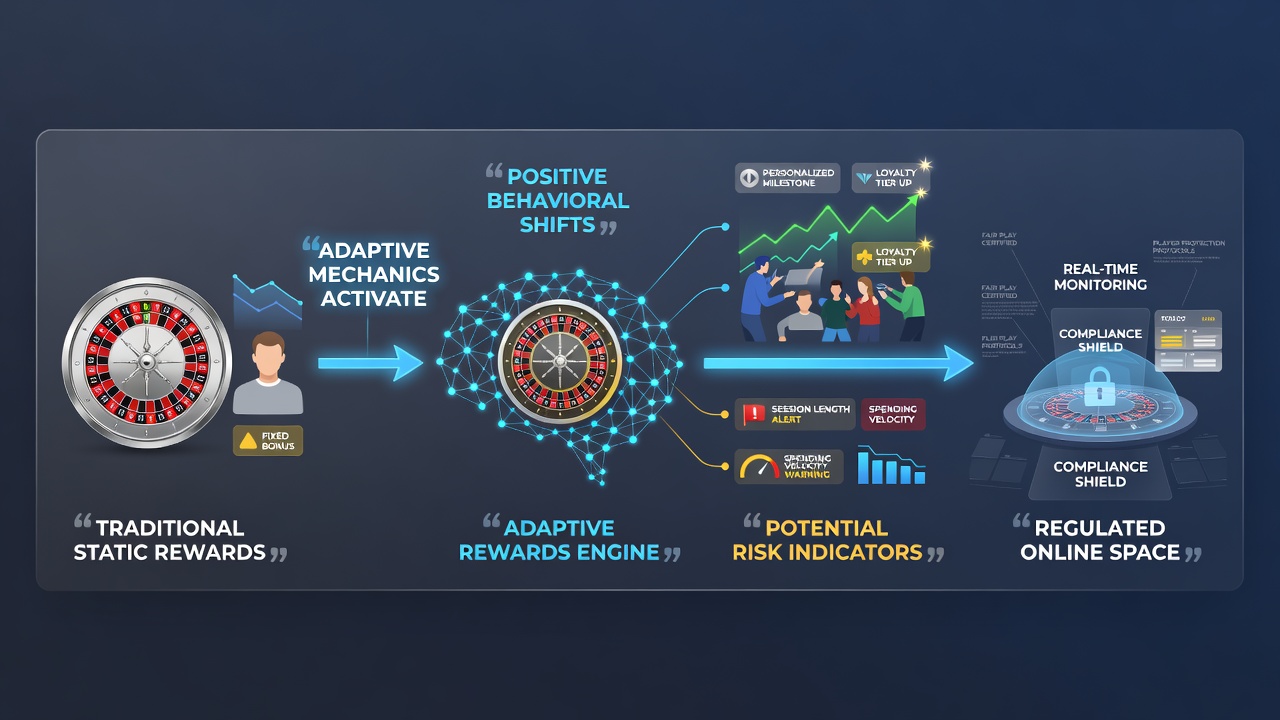
Deposit frequency also shifted under these models, with evidence pointing to smaller but more regular top-ups instead of sporadic large amounts. This development aligns with findings from the iGaming Ontario regulatory body, where monthly activity reports highlighted steadier engagement curves once adaptive elements replaced static incentives. Players appear to respond to the immediate feedback loop by adjusting strategies mid-session, often testing new betting sequences to unlock higher tier rewards.
Regional Data and Comparative Trends
Comparative reviews across multiple markets reveal that Australian-licensed sites experienced similar upticks in multi-table sessions after introducing behavior-responsive bonuses, according to aggregated figures released by state gaming authorities. In contrast, certain European operators noted that reward adaptation reduced abrupt exits during losing streaks because recovery incentives activated automatically. These outcomes stem from the system's capacity to monitor loss thresholds and deploy mitigating offers before disengagement sets in.
Academic examinations conducted at institutions such as the University of Nevada, Reno have examined longitudinal datasets that track how adaptive rewards influence time-on-device metrics. Their published summaries suggest that players under these structures exhibit greater willingness to explore advanced features like multi-wheel interfaces or speed variants, because the rewards scale with demonstrated exploration rather than repeated use of familiar options. This pattern holds across different age demographics and experience levels, though the magnitude varies based on prior exposure to digital gambling interfaces.
Regulatory Oversight and Compliance Measures
Authorities in multiple jurisdictions mandate audit trails for adaptive algorithms to prevent unintended encouragement of excessive play, which leads operators to incorporate responsible gaming checkpoints at reward distribution points. Data shared through industry associations shows that platforms integrating these checkpoints alongside adaptive rewards maintain compliance rates above baseline requirements in most reporting periods. The result appears in the form of balanced participation where rewards continue to drive activity without overriding player-set limits or cooling-off requests.
Conclusion
Adaptive roulette rewards continue to reshape participation metrics in regulated online spaces through real-time personalization that responds directly to individual activity signals. Available records from August 2026 and prior periods demonstrate consistent adjustments in session length, deposit behavior, and game variety selection across licensed environments. These developments reflect broader implementation of data-driven incentive models that regulatory bodies monitor for transparency and player protection standards.