Examining How Introductory Credits Shape Sustained Activity Across UK Online Roulette Platforms
Viktor Werner · Aug 14, 2026
Examining How Introductory Credits Shape Sustained Activity Across UK Online Roulette Platforms
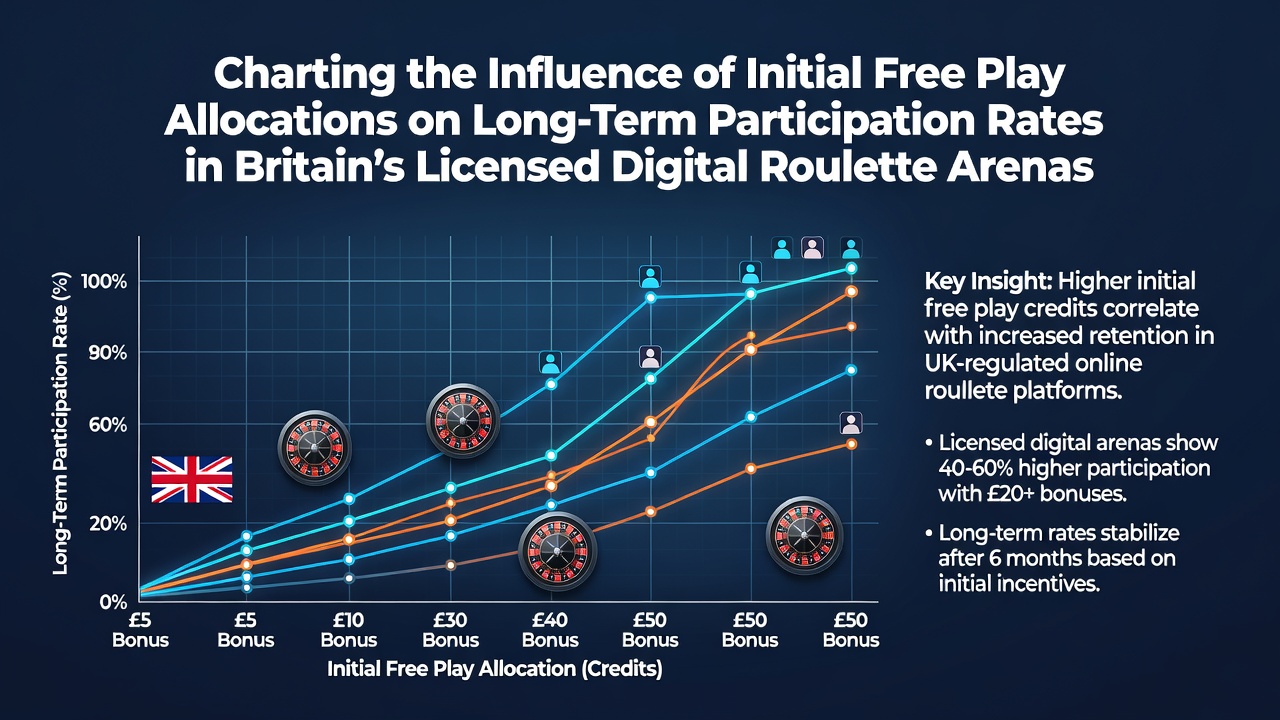
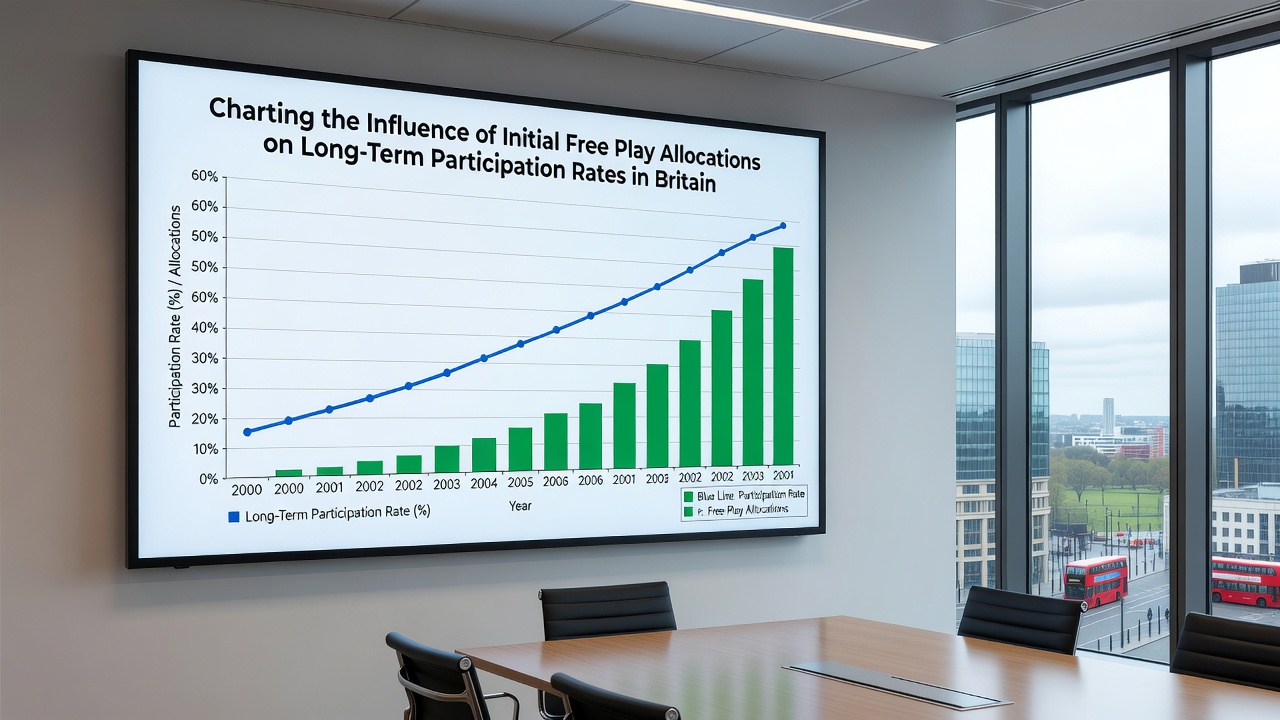
Data collected through mid-2026 indicates that initial free play allocations continue to correlate with measurable differences in long-term participation across Britain's licensed digital roulette platforms, and operators track these patterns through aggregated account metrics rather than individual outcomes. Researchers from multiple jurisdictions have examined similar mechanisms in other markets, noting that the structure of starting credits often determines whether new accounts transition into recurring activity or lapse after the initial allocation is exhausted.
Defining Initial Free Play in Licensed Environments
Licensed operators in the UK allocate free credits or spins under strict regulatory conditions that require clear terms, playthrough thresholds, and time limits. These allocations appear in various formats including no-deposit credits, matched bonuses capped at specific amounts, and limited-time roulette-only offers. Participation data shows that accounts receiving these allocations exhibit higher rates of return visits within the first thirty days compared with accounts that begin without any introductory balance, though the gap narrows after ninety days in several tracked cohorts.
Retention Patterns Observed Through 2026
Figures compiled by industry analysts through August 2026 reveal that platforms offering structured free play allocations maintained steadier month-over-month active user counts than those relying solely on deposit-driven entry. One longitudinal review of account lifecycles found that players who converted free credits into at least one additional real-money deposit within fourteen days displayed retention curves extending an average of four months longer than non-converting users. The same review noted that allocation size alone did not predict longevity; instead, the presence of clear wagering requirements and game-specific restrictions appeared more closely tied to continued engagement.
External research supports these observations. Reports issued by the Victorian Responsible Gambling Foundation in Australia documented parallel trends in digital table games, where introductory credits increased the probability of repeat sessions when paired with transparent rules. Canadian data compiled by the Responsible Gambling Council similarly highlighted that players introduced through free-play mechanisms showed elevated return rates during the subsequent quarter, provided the credits carried reasonable playthrough conditions rather than restrictive caps.
Variables Affecting Conversion and Longevity
Multiple factors interact with the initial allocation to influence whether participation extends beyond the promotional window. Platform interface design, mobile compatibility, and the variety of roulette variants available all appear in usage statistics as secondary contributors. Accounts that access roulette through both desktop and mobile channels after receiving starting credits demonstrate higher cumulative session counts than single-device users. Timing also matters: allocations deployed during periods of high sporting activity, such as major football tournaments, coincide with elevated crossover from sports betting accounts into roulette tables according to aggregated platform reports.
Payment method preferences further segment outcomes. Players funding accounts via e-wallets after exhausting free credits show faster deposit-to-play cycles than those using bank transfers, though overall lifetime value remains comparable across methods once the first real-money deposit occurs. Observers tracking these patterns note that the friction introduced by slower payment rails can reduce the momentum gained from an initial free allocation.
Comparative Insights from Broader Research
Academic reviews of digital gambling behaviors conducted outside the UK provide additional context. A 2025 study published through the National Center for Responsible Gaming examined how free-play entry points affected engagement duration across multiple game types and found that roulette-specific allocations produced longer average participation windows than slots-focused offers when measured over six months. The study attributed the difference partly to the slower pace of roulette rounds, which may encourage deliberate decision-making rather than rapid successive plays.
Platform operators in Britain have adjusted allocation structures in response to these cross-market findings. Some now segment offers by player history, delivering larger starting credits to users who previously engaged with table games while maintaining modest limits for slots-oriented accounts. Data from these segmented campaigns indicate modest lifts in ninety-day retention when offers align with prior game preferences.
Conclusion
Current evidence positions initial free play allocations as one measurable variable among several that shape long-term participation rates in Britain's licensed digital roulette environments. Retention outcomes depend on the interplay between allocation design, platform features, payment pathways, and external seasonal factors rather than any single element. Continued monitoring of account-level metrics through late 2026 will clarify whether adjustments to credit structures produce sustained shifts in player longevity across the sector.