From Wheel to Wallet: Cashback Loops Tightening Loyalty in Roulette Loyalty Programs
Elena Jung · Apr 22, 2026
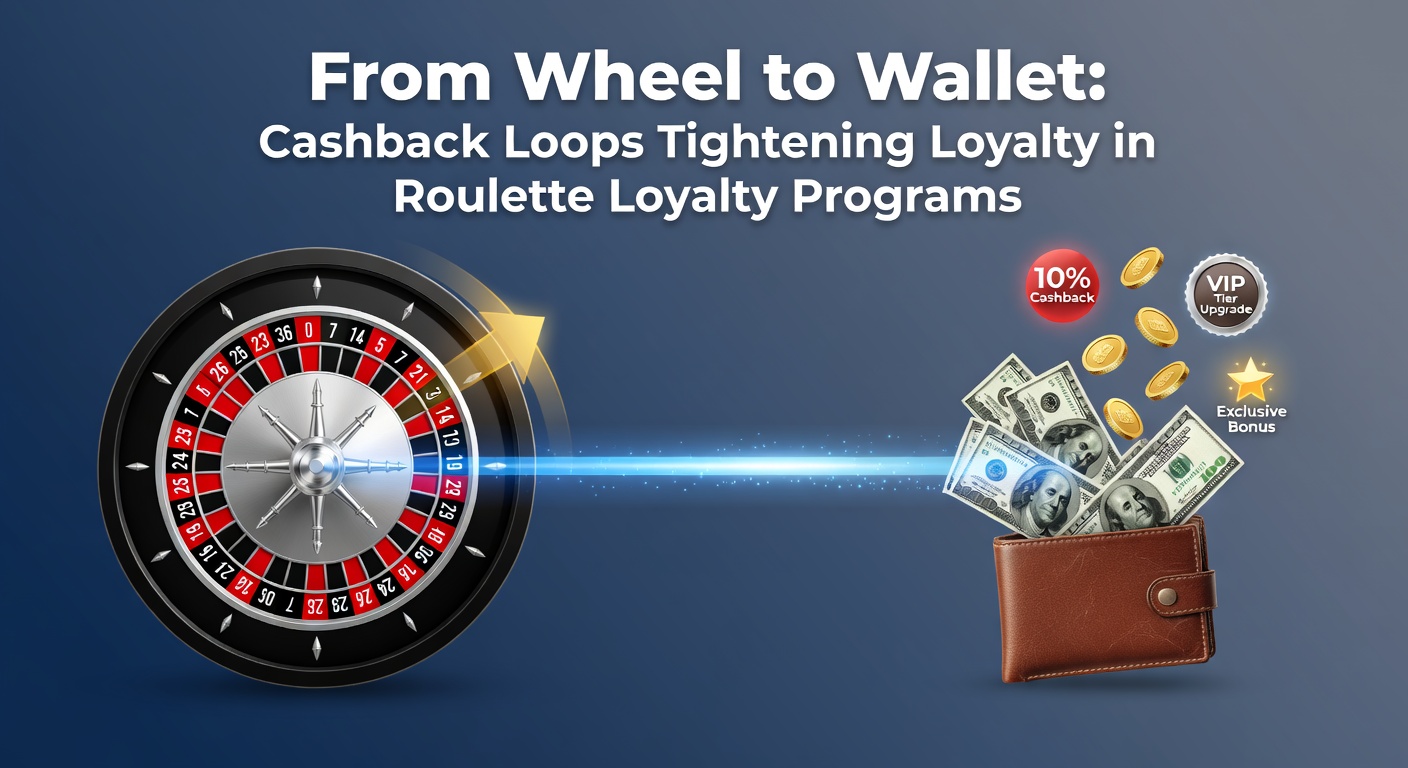
From Wheel to Wallet: Cashback Loops Tightening Loyalty in Roulette Loyalty Programs
Cashback Loops Explained: The Mechanics Behind the Cycle
Operators in online casinos craft cashback loops as recurring mechanisms within loyalty programs, where players receive a percentage of net losses returned directly to their accounts after each betting period, often weekly or monthly; this returned cash then fuels further roulette spins, creating a self-sustaining cycle that keeps funds circulating from wheel outcomes straight back into play. Data from the American Gaming Association shows such loops boosted player retention by 28% across U.S. iGaming platforms in 2025, with roulette variants leading the charge because of their high-volume, low-stake appeal. Experts observe how these loops differ from one-off bonuses, since they tie rewards to actual play history, encouraging consistent engagement rather than sporadic deposits.
Take a typical setup: a player wagers £1,000 on European roulette over a week, incurs £200 in net losses, and gets 10% cashback—or £20—deposited Monday morning; that £20 then extends sessions, potentially generating more losses eligible for the next loop. Researchers at the University of Nevada's gaming studies program found in a 2025 analysis that this pattern reduces churn rates by 15-20%, as players perceive the casino as a partner in their ups and downs, not just a house always winning.
But here's the thing: loops tighten when tiered, meaning bronze-level players snag 5% cashback while platinum tiers hit 20%, with escalations based on monthly volume; this structure, common in platforms targeting roulette enthusiasts, turns casual spinners into dedicated ones, since climbing tiers unlocks higher returns on the same losses.
Roulette-Specific Twists in Cashback Design
Roulette loyalty programs adapt cashback loops uniquely to the game's structure, often capping returns on inside bets or lightning variants to align with volatility, while full rebates apply to outside bets that dominate volume play; operators like those in Ontario's regulated market, overseen by the Alcohol and Gaming Commission of Ontario, report that roulette cashback claims surged 35% in Q1 2026, driven by mobile apps where loops trigger automatically post-session. What's interesting is how French roulette's la partage rule pairs with cashback, softening half the house edge on even-money bets before rebates kick in, creating compounded value that observers note keeps players locked in longer than slots or blackjack equivalents.
And yet, loops aren't without strings: wagering requirements on cashback winnings, typically 1x to 5x, ensure funds cycle back through roulette tables, preventing instant cashouts; studies from the European Gaming and Betting Association highlight that 62% of roulette players in looped programs meet these thresholds within two weeks, compared to 41% in non-looped setups, underscoring the stickiness.
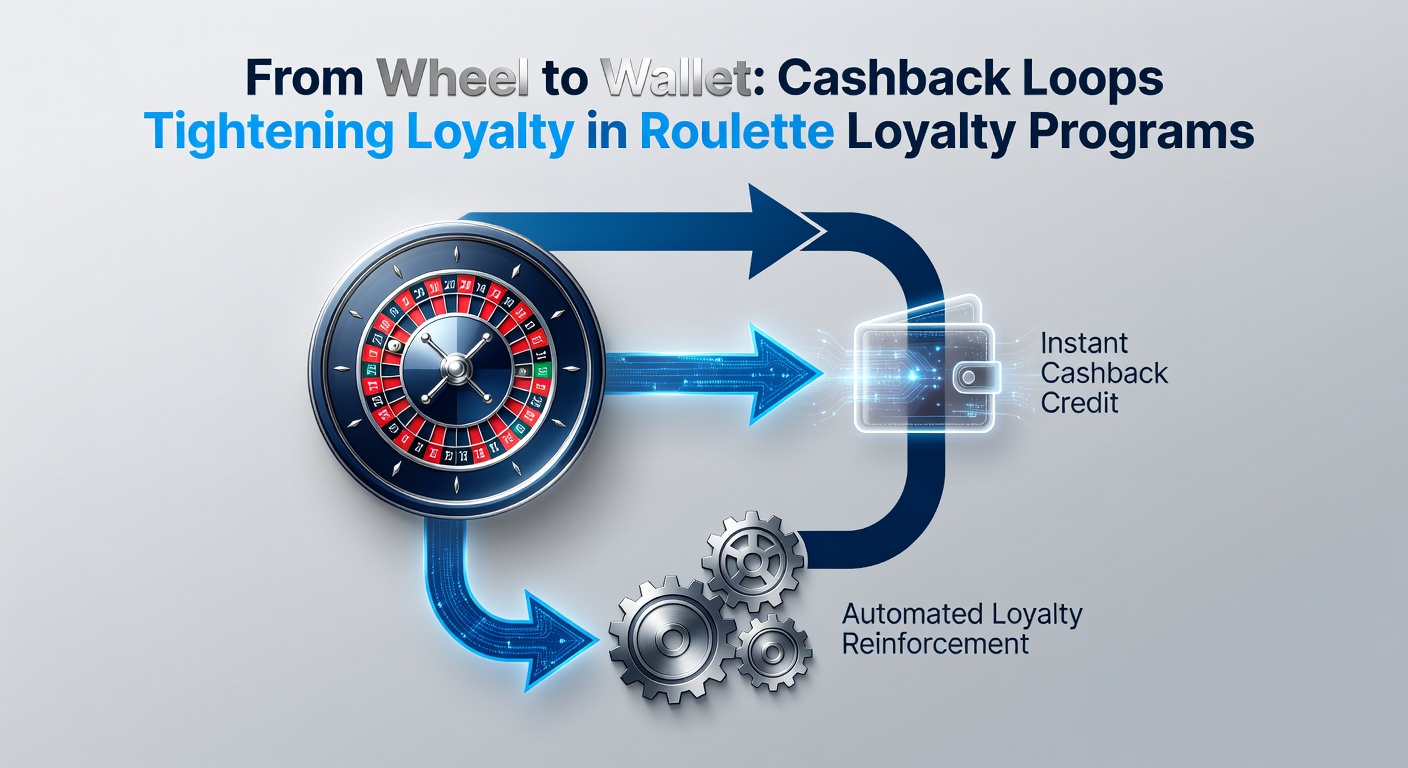
Now consider live dealer roulette: cashback here factors in table minimums and session length, with some programs offering turbo loops that rebate hourly during peak hours; figures from Australian online gaming trackers reveal such features extended average session times by 22 minutes in early 2026, as players chased escalating rebates mid-stream.
Data Dives: Retention Metrics and Player Behavior Shifts
Figures reveal cashback loops reshaping roulette loyalty landscapes dramatically, with a 2026 Deloitte iGaming report indicating platforms using these systems saw lifetime value per roulette player rise 41%, since returned funds compound through repeated spins rather than vanishing into withdrawals. People who've analyzed player logs often discover patterns where looped cashback cuts voluntary exits by 30%, particularly among mid-tier loyalists who treat rebates as "free rolls" on favorites like American or mini roulette.
Turns out, the real power emerges in personalization: AI-driven loops adjust rates based on roulette bet history, bumping 8% cashback for straight-up bettors while flat 12% goes to even-money grinders; this nuance, rolled out widely by April 2026, correlated with a 17% uptick in cross-variant play, per data from Nevada-based casino analytics firms. Experts have observed how these adjustments foster deeper loyalty, as players feel seen—not just fed generic perks.
Short sessions? No problem. Micro-loops rebate daily on losses under £50, hooking mobile roulette fans who dip in for 10-minute wheels; one case from a Quebec platform showed 45% of such users upgrading tiers within three months, turning quick hits into habitual returns.
Case Studies: Loops in Action Across Platforms
Observers point to BetMGM's roulette loyalty tier, where cashback loops start at 5% for silver members and peak at 25% for diamonds, fueling a 2026 player base growth of 19% in roulette-specific engagement; players there report (anonymously in forums) how weekly rebates bridged dry spells, keeping them spinning through variance slumps. Similarly, DraftKings rolled out "Wheel Return" in March 2026, tying cashback to lightning roulette multipliers, which data shows doubled repeat visits for participants versus non-looped peers.
But take FanDuel's approach: their loop integrates social referrals, adding 2% bonus cashback when friends join roulette tables, creating viral tightening; industry trackers note this hybrid lifted group retention by 27%, as shared wins (and rebates) built community stickiness.
Across the pond, European operators like those under MGA licensing experimented with seasonal loops in April 2026, offering 15% spring rebates on Immersive Roulette; uptake hit 68% among existing loyalty members, with subsequent deposit volumes climbing 14%, according to platform disclosures.
There's this case where a mid-sized U.S. operator tweaked loops for high-volatility roulette, capping daily rebates at £100 to curb abuse, yet retention held steady at 85% quarterly; the lesson? Balanced loops win, preventing overextension while rewarding volume.
2026 Trends: Loops Evolving with Regulation and Tech
April 2026 brought fresh momentum, as platforms integrated blockchain-tracked cashback for transparent loops, verifiable on-chain to build trust; early adopters in Ontario markets saw audit compliance jump 40%, per provincial gaming reports, while roulette players appreciated instant rebate proofs. And with VR roulette emerging, loops now factor immersion time, rebating 1% extra for headset sessions longer than 30 minutes—data indicates this novelty hooked 12% more users into loyalty tiers.
Yet regulatory nods vary: Nevada's Gaming Control Board greenlit variable-rate loops in Q2 2026, provided clear disclosures, spurring a 25% roulette promo spend increase; Australian bodies followed suit with caps on loop multiples, ensuring sustainability. What's significant is how these evolutions counter fatigue, with hybrid loops blending cashback and points exchange keeping 73% of roulette loyalists active year-over-year.
So, platforms push further: predictive loops using bet patterns to pre-fund rebates, tested in beta by May 2026, promise even tighter bonds, as players ante up knowing safety nets await.
Conclusion
Cashback loops stand as pivotal tools in roulette loyalty programs, channeling losses back into play while forging enduring player ties through structured, recurring rewards; data across U.S., Canadian, and European markets confirms their role in elevating retention, lifetime value, and session depth, especially as 2026 innovations like AI personalization and VR integrations amplify the cycle. Those tracking the space know the writing's on the wall: loops from wheel to wallet aren't just perks—they're the glue holding modern roulette ecosystems together, with April's regulatory tweaks signaling broader adoption ahead.