Loyalty Metrics Driving Roulette Incentive Structures on Licensed Mobile Platforms in Britain
Riley Richter · Jun 15, 2026
Loyalty Metrics Driving Roulette Incentive Structures on Licensed Mobile Platforms in Britain
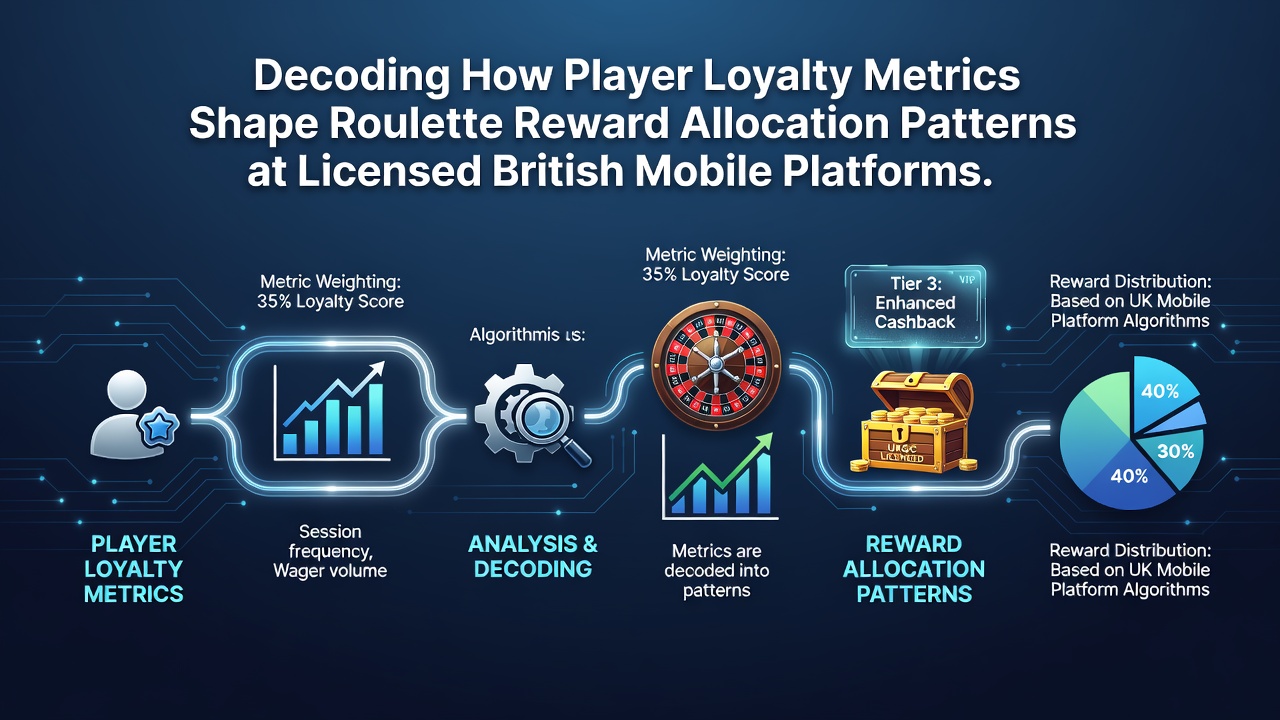
Player loyalty metrics have become central to how operators distribute roulette rewards across licensed mobile platforms in Britain, with data on play frequency, session duration, and wager volumes guiding allocation decisions throughout 2026. These systems track individual activity patterns to determine eligibility for bonuses, cashback offers, and tiered incentives, creating structured pathways that connect continued engagement with specific reward types. Observers note that platforms collect information on metrics such as average bet size per spin, number of sessions per month, and total roulette volume to segment users into categories that receive differentiated offers.
Core Components of Loyalty Tracking Systems
Systems deployed on mobile applications record detailed behavioral data points that feed directly into reward engines, and these engines apply algorithms to match incentives with observed activity levels. Researchers have documented how variables like deposit consistency and game preference influence the speed at which players advance through tiers, with higher-volume roulette participants often qualifying for accelerated reward releases. Data collection occurs in real time during live dealer sessions and RNG-based rounds alike, allowing platforms to adjust offers dynamically based on recent performance indicators rather than static historical records alone.
Patterns in Reward Allocation During Mid-2026
By June 2026, allocation patterns showed clear correlations between loyalty scores and the types of roulette incentives distributed, including free spin packages scaled according to weekly play thresholds and cashback percentages tied to monthly wager totals. Platforms applied weighted formulas that prioritized frequency metrics over one-time high bets, resulting in more consistent reward streams for regular mobile users compared with sporadic participants. Evidence from industry reports indicates that operators refined these formulas after reviewing aggregated data sets, leading to tighter alignment between player retention goals and the structure of roulette-specific promotions.
Integration with Mobile Platform Features
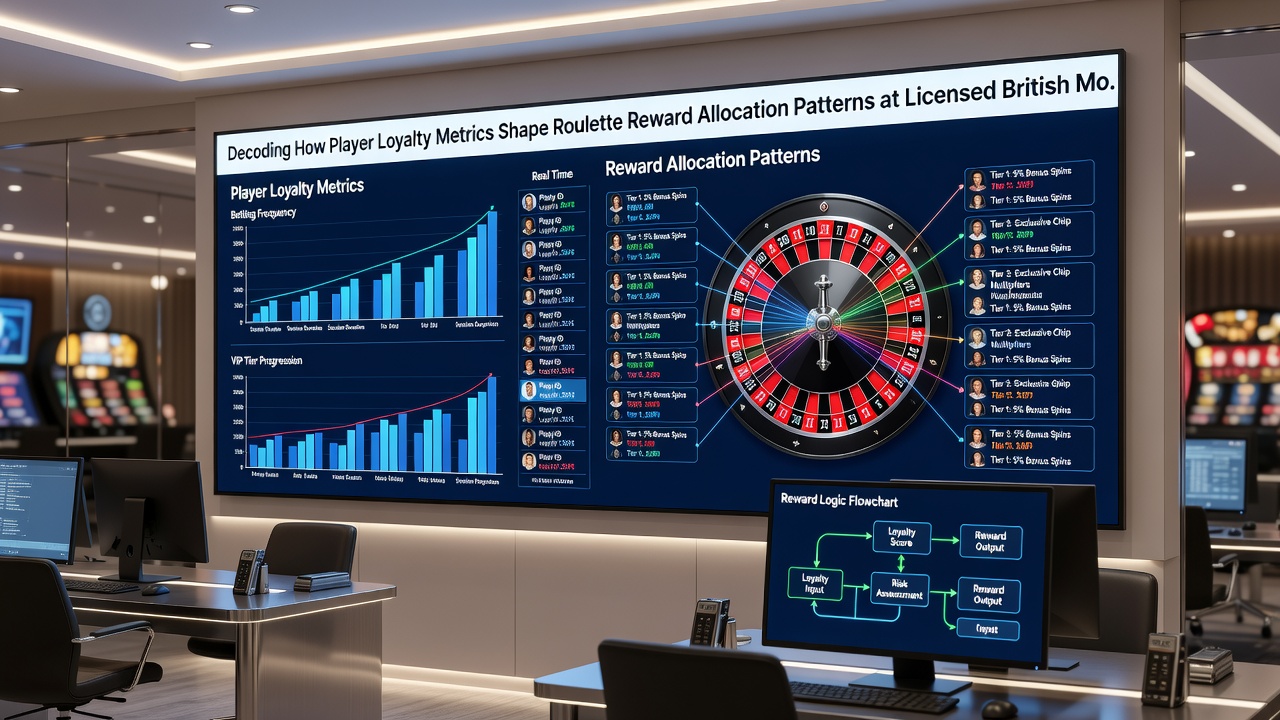
Mobile interfaces incorporate loyalty dashboards that display progress toward reward thresholds, and these displays update automatically after each completed roulette session. Such features allow users to monitor how their metrics translate into upcoming allocations, while backend systems use the same data to trigger automated bonus deliveries at predetermined milestones. According to findings published by the European Gaming and Betting Association, similar tracking mechanisms have expanded across European markets, with British operators adapting comparable approaches to maintain competitive positioning in the mobile segment.
Comparative Approaches Across Licensed Operators
Different licensed operators implement varying weightings when converting loyalty metrics into roulette rewards, with some emphasizing total session count and others focusing on average stake levels per round. This variation produces distinct allocation outcomes, as one platform might grant larger cashback percentages to high-frequency players while another prioritizes volume-based multipliers for bonus credits. Case examples from multiple services reveal that cross-referencing mobile-specific engagement data with broader account activity helps refine these models over successive quarters.
External Data Influences on Allocation Models
Operators occasionally incorporate external benchmarks when calibrating internal loyalty systems, drawing from research produced by academic institutions and regional gaming authorities in other jurisdictions. A study referenced by the Responsible Gambling Council examined how loyalty structures affect engagement patterns in digital casino environments, providing operators with comparative insights that inform adjustments to reward formulas. These external references help British mobile platforms align their allocation logic with broader industry practices while remaining compliant with domestic licensing requirements.
Conclusion
Loyalty metrics continue to shape roulette reward allocation on licensed British mobile platforms through systematic tracking of play behaviors and application of tiered distribution rules. The patterns established by mid-2026 reflect ongoing refinement of these data-driven processes, with operators using frequency, volume, and consistency indicators to determine incentive structures. Such approaches maintain structured connections between player activity and reward access across the mobile gambling sector.