Loyalty Metrics Illuminate Reward Pathways in Britain's Digital Roulette Landscape
Viktor Werner · Aug 5, 2026
Loyalty Metrics Illuminate Reward Pathways in Britain's Digital Roulette Landscape
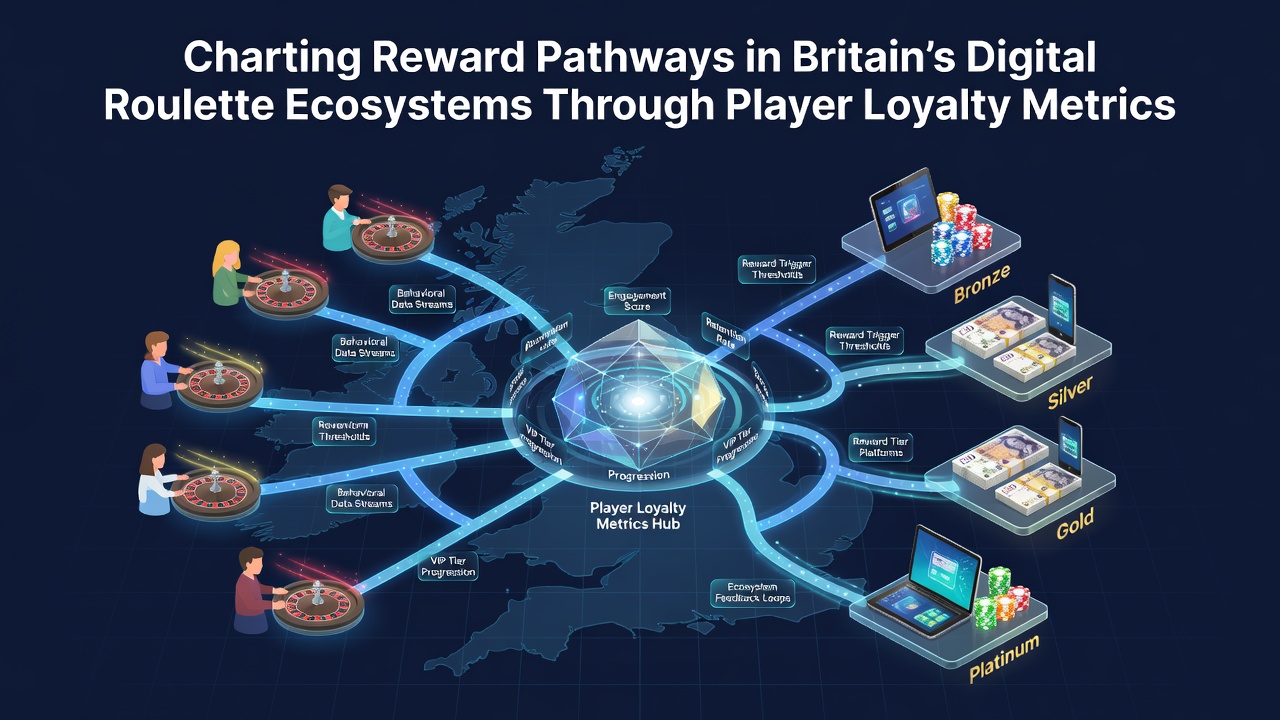
Player loyalty metrics have become central tools for mapping reward pathways across Britain's digital roulette ecosystems, where platforms track engagement patterns to structure tiered incentives. Data on session frequency, average wager amounts, and retention rates allow operators to chart progression from entry-level rewards to premium benefits, while August 2026 saw heightened activity in these systems as seasonal events drew more participants into online tables.
Core Metrics Driving Reward Structures
Operators monitor several key indicators to build accurate profiles, including the number of spins completed per week, deposit consistency over rolling periods, and the ratio of active days to total account lifespan. These figures combine with behavioral signals such as peak playing hours and game variant preferences, creating layered pathways where higher metric scores unlock enhanced cashback percentages, exclusive tournament entries, and personalized multiplier offers. Research from the University of Nevada's gaming studies program shows that platforms applying multi-variable loyalty scoring achieve steadier retention curves compared with simpler deposit-based models.
Pathway Progression and Tier Implementation
Initial tiers typically activate after modest thresholds are met, granting basic rebates and free spin allocations that encourage continued play without immediate pressure. As metrics climb, participants move into mid-level segments where rewards expand to include faster withdrawal processing and dedicated account support, while top tiers deliver bespoke experiences such as invitation-only live events and elevated stake limits. According to figures released by the European Gaming and Betting Association, loyalty-driven reward uptake in regulated markets grew steadily through mid-2026, reflecting broader adoption of data-led personalization across digital roulette offerings.
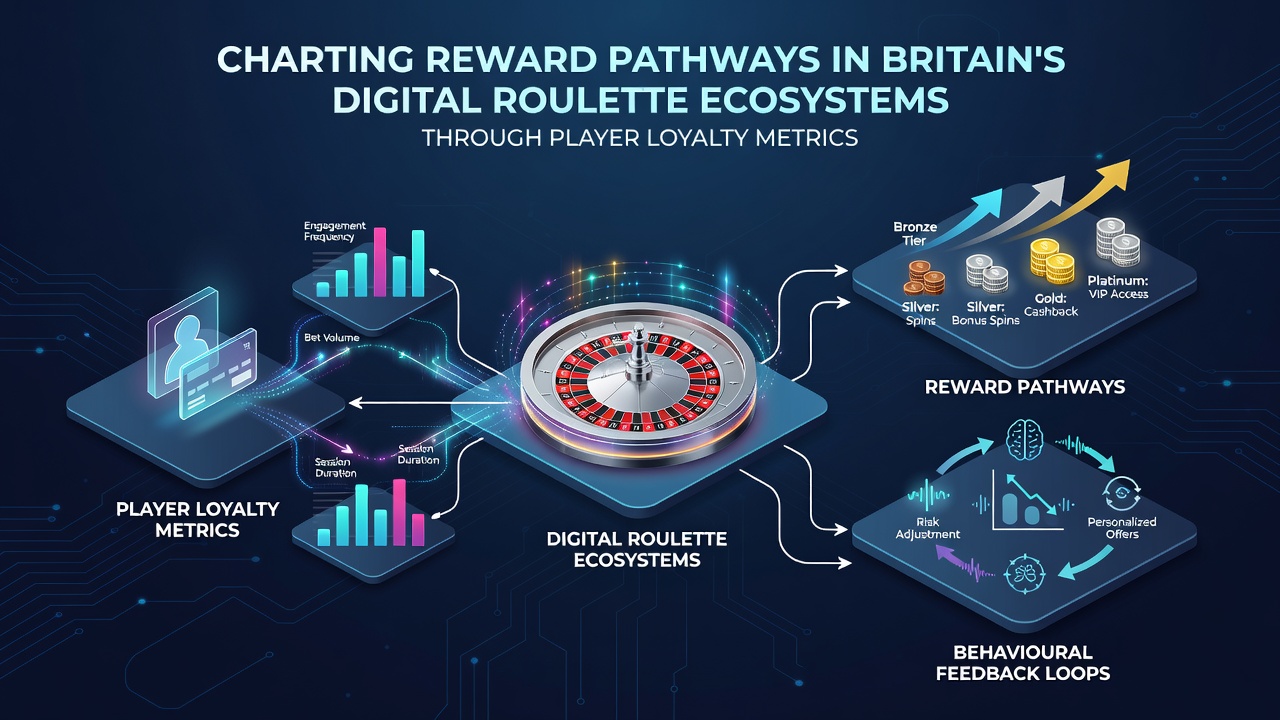
One operator in the British market adjusted its pathway algorithm in early 2026 after internal analysis revealed that players reaching the second tier within thirty days showed markedly longer overall engagement windows. Adjustments included accelerated point accumulation for consistent low-stake roulette sessions, which broadened entry into higher reward brackets and smoothed progression for a wider player base.
Data Integration Across Platforms
Cross-platform tracking now incorporates mobile versus desktop usage splits, alongside correlations between bonus redemption speed and subsequent deposit behavior. These combined datasets enable operators to refine reward timing, aligning cashback releases with predicted churn points identified through historical metric patterns. Industry reports compiled by the Canadian Centre for Gaming Research highlight similar metric integration strategies in international markets, underscoring how loyalty analytics support sustainable engagement when applied consistently.
Regulatory Context and Transparency Measures
British platforms operate under frameworks that require clear disclosure of how loyalty metrics translate into tangible benefits, ensuring players can review their standing and projected rewards. Transparency reports published in August 2026 indicated increased emphasis on metric explanations within account dashboards, allowing users to understand progression requirements without ambiguity. Such measures align with broader European standards that prioritize verifiable data presentation over opaque point systems.
Conclusion
Loyalty metrics continue to shape reward pathways in Britain's digital roulette sector by converting raw engagement data into structured incentive ladders. As platforms refine these models through ongoing analysis, the focus remains on measurable progression tied directly to player activity patterns, with August 2026 serving as a benchmark period for observing how seasonal factors influence metric-driven reward distribution.