Mapping Digital Wheel Incentives: How Platform Algorithms Shape Real-Time Reward Availability for Mobile Users in Licensed British Markets
Greta Hoffmann · Jul 31, 2026

Mapping Digital Wheel Incentives: How Platform Algorithms Shape Real-Time Reward Availability for Mobile Users in Licensed British Markets
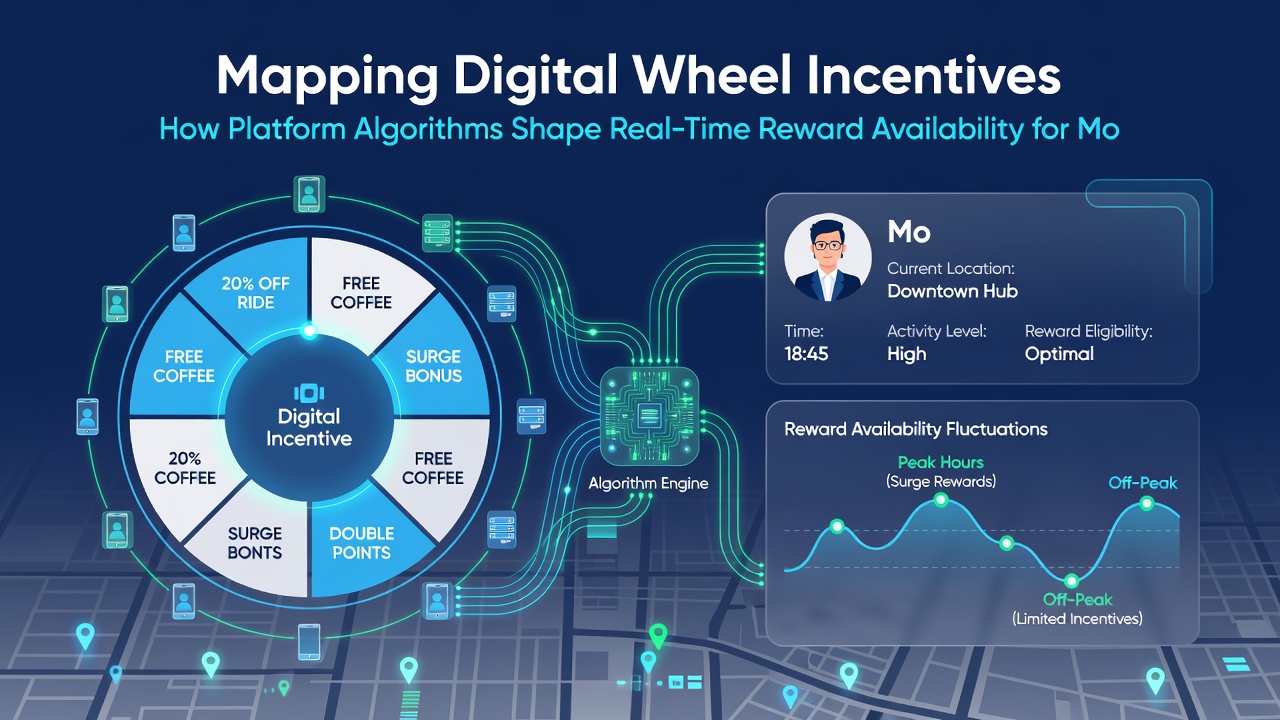
Platform algorithms now determine reward timing and availability for mobile roulette users across licensed British markets through continuous analysis of play patterns, device signals and session data. These systems adjust bonus offers in real time while operators maintain compliance with regional licensing rules that require fair access and transparent mechanics. Observers note that such mapping creates layered incentive structures where availability shifts based on user location verification, account history and current engagement levels.
Core Mechanics of Algorithmic Reward Mapping
Algorithms process multiple data streams to decide when and to whom specific wheel incentives appear on mobile screens. Factors include time since last deposit, frequency of spins and interaction with live dealer features, and these inputs combine to generate personalized availability windows. Data from industry reports indicate that licensed operators integrate geofencing protocols to confirm users remain within approved jurisdictions before releasing any real-time credits or free spin allocations.
Systems further segment mobile traffic by operating system and connection type, which allows finer control over reward distribution without breaching licensing conditions. Researchers have observed that this segmentation helps platforms balance promotional spend while meeting regulatory expectations around responsible play. In July 2026, several operators updated their mapping protocols to incorporate additional device fingerprinting layers that reduce duplicate account risks during peak mobile traffic periods.
Mobile-Specific Factors Influencing Availability
Screen size, battery level and background app activity all feed into the decision trees that control when incentives surface for British mobile users. Platforms track these variables alongside account-level metrics to avoid presenting offers during periods of low engagement or when users have recently completed high-volume sessions. According to findings published by the European Gaming and Betting Association, such granular controls support sustained participation without encouraging excessive play patterns.
Push notification timing also falls under algorithmic oversight, since operators must align message delivery with both user preferences and licensing standards that govern promotional communications. Those who have studied these systems report that delays or accelerations in notification delivery often reflect calculated adjustments rather than random fluctuations. Mobile users in licensed markets therefore encounter reward availability that appears responsive yet remains tightly governed by backend rulesets.
Regulatory Context and Compliance Integration
Licensed operators embed compliance checkpoints directly into their algorithmic frameworks so that every reward release aligns with market-specific obligations. These checkpoints verify age, location and responsible gambling status before any incentive becomes active on a user's device. Reports from the Responsible Gambling Council of Canada highlight similar integration practices in other regulated jurisdictions, where algorithmic transparency helps maintain public trust in digital gaming environments.
Cross-border data sharing agreements further influence how British platforms calibrate their mapping tools, since operators must respect differing standards when users travel or access services from outside primary markets. The result is a dynamic availability model that updates continuously while preserving audit trails required by licensing authorities. In practice, this means reward offers can appear or disappear within seconds based on shifting compliance signals.
Future Developments in Incentive Mapping
Developers continue refining machine learning models that predict optimal moments for incentive presentation, drawing on aggregated anonymized data sets from millions of mobile sessions. These models aim to improve conversion rates while respecting the boundaries set by licensing frameworks that emphasize player protection. Industry analyses suggest that continued refinement will focus on reducing latency between algorithm decisions and visible reward availability for end users.
Conclusion
Algorithmic mapping of digital wheel incentives has become central to how licensed British operators deliver real-time rewards to mobile users. The interplay between data inputs, compliance layers and mobile-specific variables produces availability patterns that evolve throughout each session. External reports from organizations such as the European Gaming and Betting Association and the Responsible Gambling Council of Canada provide context on how similar systems operate across regulated markets, underscoring the technical and regulatory coordination required to sustain these environments.