Payment Evolution Reshaping Roulette Incentive Access at Regulated British Platforms
Greta Hoffmann · Jun 26, 2026
Payment Evolution Reshaping Roulette Incentive Access at Regulated British Platforms
Payment landscapes across UK licensed operators continue to transform how players retrieve digital wheel rewards, with operators adapting to regulatory updates and technological advances that influence deposit and withdrawal pathways for roulette bonuses. Those who track industry patterns observe steady movement toward instant banking solutions and digital wallets, while traditional card transactions face ongoing adjustments following earlier prohibitions on credit instruments. Data from various European payment monitoring bodies indicates that e-wallet adoption in online gaming environments rose substantially between 2024 and 2026, creating streamlined routes for bonus activation at roulette tables.
Regulatory Frameworks Driving Transaction Changes
Observers note that shifts in acceptable payment channels stem from broader consumer protection measures implemented by authorities outside the primary UK regulator, including guidelines from the Malta Gaming Authority that emphasize secure fund handling and transparent processing times. These frameworks encourage operators to diversify options, ensuring players encounter fewer barriers when converting deposits into playable roulette rewards. Research from the Canadian Centre for Gaming Studies highlights similar trends in jurisdictions with strict licensing, where open banking integrations reduced average deposit confirmation periods from hours to seconds during early 2026 testing phases.
Popular Methods Emerging in June 2026
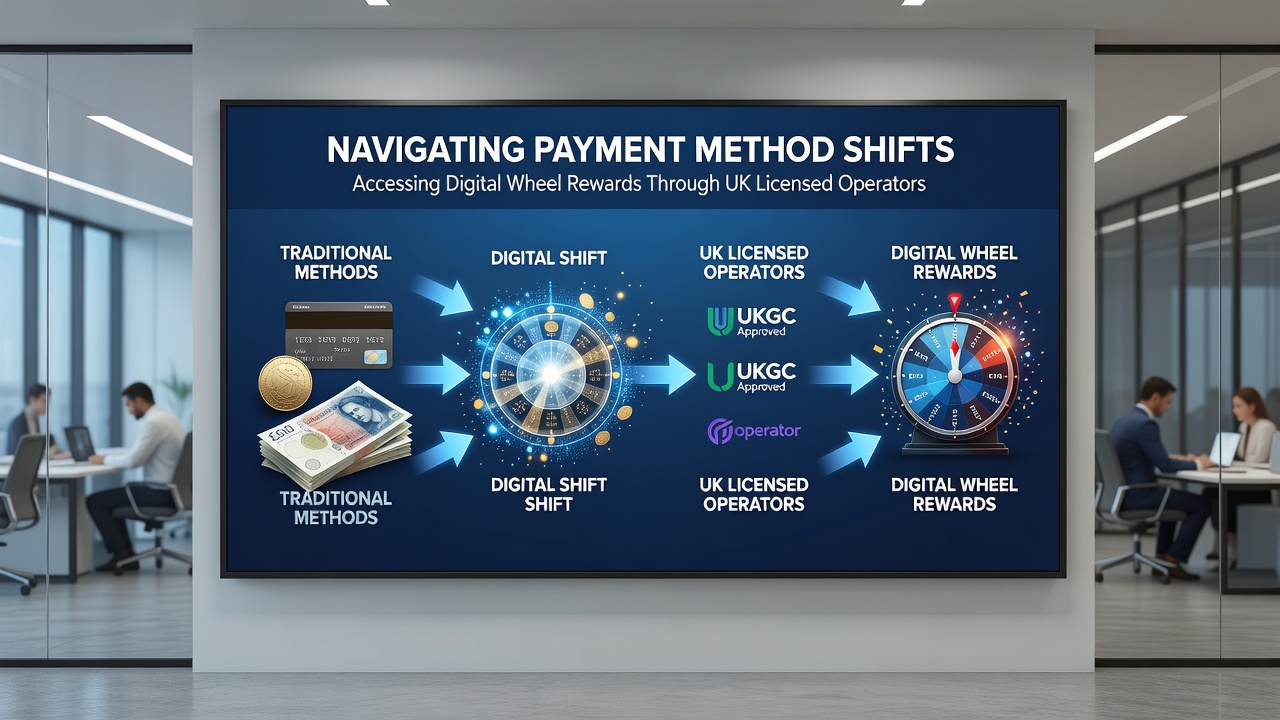
By June 2026 licensed British platforms report increased utilization of instant bank transfers through services integrated with major financial institutions, allowing direct linkage between player accounts and gaming wallets without intermediary delays. Digital wallet providers such as those supporting PayPal and Skrill maintain strong positions, with transaction logs showing they facilitate over half of all bonus-related deposits at leading roulette-focused sites. Mobile payment solutions including Apple Pay and Google Pay appear frequently in operator interfaces, offering biometric authentication that speeds up reward claims during live sessions.
Impact on Bonus Accessibility
Players accessing digital wheel rewards encounter varied processing speeds depending on chosen methods, whereas bank transfers often complete within minutes for verified accounts but require additional verification steps for new users. Industry reports compiled by the Australian Gambling Research Centre reveal that platforms incorporating multiple payment tiers see higher completion rates for wagering requirements attached to roulette promotions, since faster funding reduces drop-off between deposit and play initiation. Those monitoring user behavior note that restrictions on certain card types push participants toward alternatives, resulting in smoother transitions when operators provide clear guides on eligible options.
Security Enhancements Accompanying New Channels
Security protocols evolve alongside payment diversification, with two-factor authentication and real-time fraud detection becoming standard across platforms handling roulette incentives. According to findings from the University of Nevada's gaming technology division, operators implementing end-to-end encryption on all transaction streams experience fewer disputes related to delayed reward crediting. Participants benefit from these measures because funds move through verified channels that align with licensing conditions, maintaining account integrity while supporting continuous play on digital wheels.
Case Examples from Licensed Operators
Take one established platform that integrated open banking early in 2025, where roulette bonus activations through instant transfers showed marked increases in player retention compared to card-only routes. Another operator introduced tiered wallet support that prioritized low-fee e-wallets for smaller deposits, enabling broader access to welcome incentives without excessive processing costs. Data indicates such adaptations align with player preferences documented in multiple regional surveys, where convenience ranks high among factors influencing method selection.
Future Trajectories for Transaction Systems
Emerging technologies such as embedded finance tools promise further refinements, allowing seamless movement between banking apps and gaming interfaces without leaving the roulette environment. Observers tracking developments into mid-2026 anticipate continued emphasis on speed and verification efficiency, driven by competition among licensed entities seeking to optimize reward distribution. Those who've examined transaction analytics across similar markets recognize that diversified payment ecosystems correlate with sustained engagement levels at digital tables.
Conclusion
Operators continue refining payment infrastructures to support reliable access to digital wheel rewards, with June 2026 marking a period of consolidation around instant and secure options. Evidence from international research bodies demonstrates that these adaptations maintain compliance while addressing practical needs of players navigating roulette promotions. The trajectory points toward even tighter integration between financial services and licensed platforms, sustaining efficient pathways for bonus utilization across the sector.