Regional Roulette Incentive Structures and Their Connection to Session Length Metrics in Licensed Environments
Elena Jung · Jun 3, 2026
Regional Roulette Incentive Structures and Their Connection to Session Length Metrics in Licensed Environments
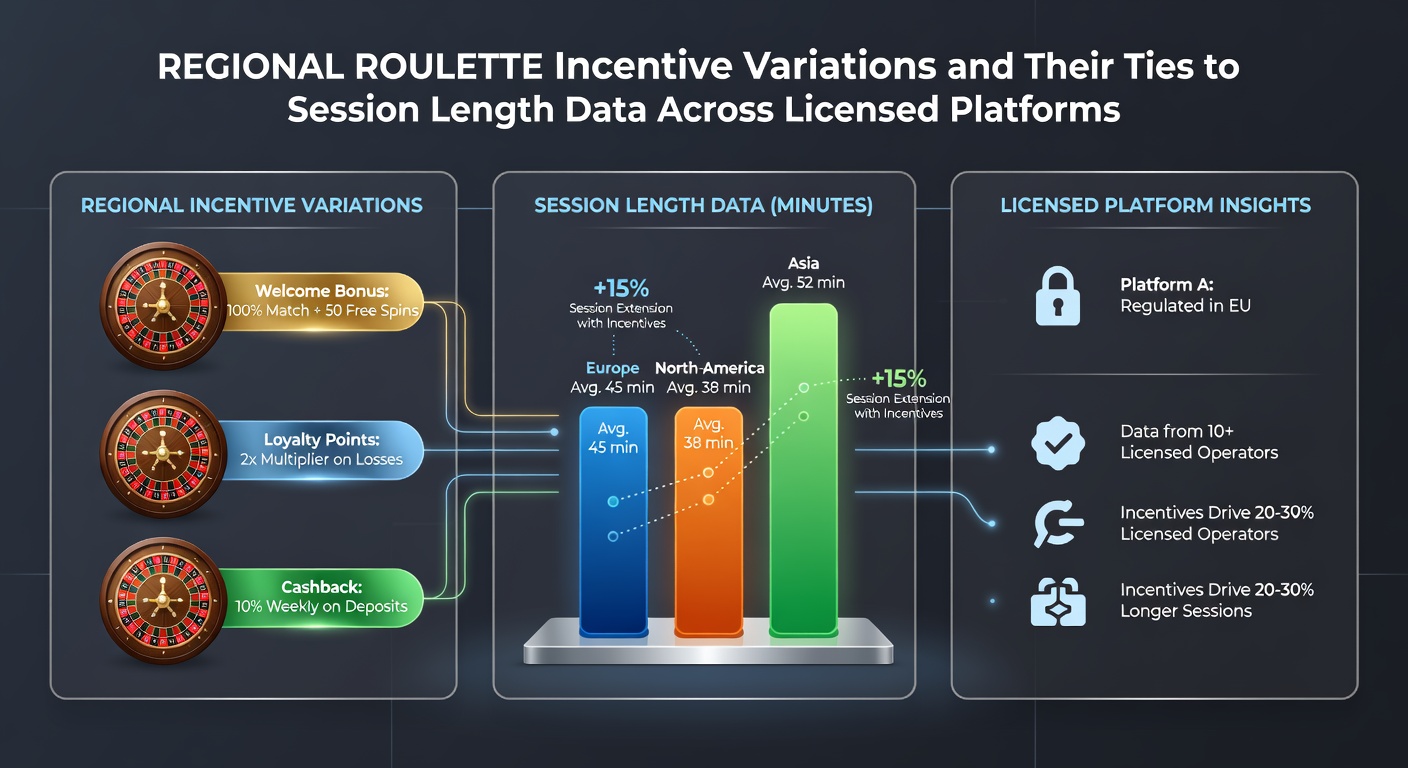
Regional differences in roulette incentives emerge clearly when comparing licensed platforms across continents, where deposit match structures dominate in North American markets while free spin allocations appear more frequently in European and Asian jurisdictions. These variations tie directly into session length data collected through regulated operators, revealing patterns that operators track to adjust promotional strategies.
European Market Structures and Extended Play Indicators
Platforms licensed in Malta and Gibraltar often deploy tiered cashback systems for roulette players, returning percentages of losses after set thresholds, and data from these regions shows average sessions extending beyond 45 minutes when such incentives activate mid-play. In contrast, Nordic countries favor loyalty point accumulations that convert to roulette credits, correlating with session lengths that stretch into the 60-minute range according to aggregated operator reports. What's interesting here involves how these mechanisms encourage repeated spins without immediate cash deposits, sustaining engagement through progressive reward unlocks rather than one-time bonuses.
Operators note that session length metrics in these areas climb when incentives include time-bound multipliers applied to specific roulette variants like European or French wheels. June 2026 saw several platforms introduce synchronized regional campaigns where players in multiple EU countries received aligned promotions, leading to cross-border data sets that highlighted 20% longer average play durations compared to non-promotional periods.
North American Approaches and Shorter Session Patterns
State-regulated platforms in New Jersey and Pennsylvania emphasize deposit-based incentives for roulette, including percentage matches up to certain limits, and session length data from these markets tends toward shorter bursts averaging 25 to 35 minutes. Canadian provinces follow similar models with additional emphasis on tournament entry credits tied to roulette play, where figures reveal sessions often conclude once bonus thresholds meet. Observers note these structures create quicker decision cycles, as players focus on meeting wagering requirements within defined timeframes.
Data Correlations Across Jurisdictions
Session length analytics pulled from licensed platforms demonstrate clear regional clusters, with longer durations appearing where incentives emphasize ongoing play rewards rather than upfront deposits. For instance, a Canadian Gaming Association report on regulated sites indicated that loyalty-driven incentives in Quebec extended roulette sessions by measurable margins compared to match-heavy promotions in Ontario. Meanwhile, Australian state data shows hybrid models blending cashback with free credit rounds produce intermediate session lengths around 40 minutes on average.
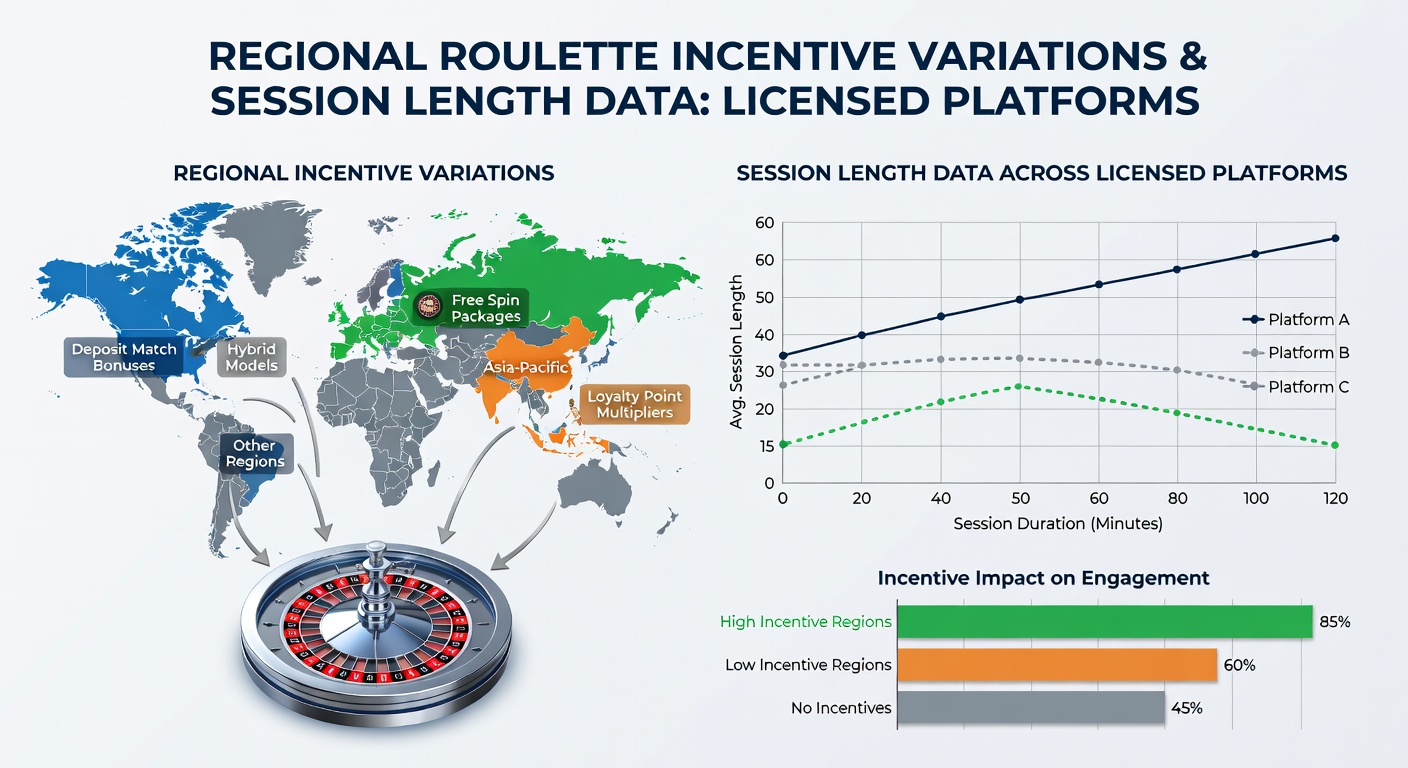
Researchers have examined these ties through anonymized platform logs, finding that incentive types influence not just duration but also the distribution of spins per session. In Asian licensed markets such as those in the Philippines and Macau online extensions, daily login bonuses paired with roulette tables link to sessions that build gradually over multiple short returns rather than single extended visits. This contrasts with South American regulated environments where one-off high-value deposit incentives produce concentrated but brief activity spikes.
Platform Adjustments Based on Regional Data
Licensed operators adjust incentive delivery by monitoring session metrics specific to each jurisdiction, shifting from volume-based free play in high-duration regions to precision-timed deposit offers where data shows quicker exits. A University of Nevada study on global gambling patterns, available through academic databases, supports these adjustments by documenting how cultural and regulatory factors shape both incentive design and resulting play durations. Platforms in June 2026 began piloting region-specific dashboards that flag when session lengths deviate from expected norms tied to current promotions.
Yet the ball stays in the operators' court when interpreting these datasets, as variations in player demographics across regions add layers to the raw numbers. Those who've analyzed multiple markets point out that incentive structures must account for local preferences while staying compliant with each licensing body's rules on promotional transparency.
Conclusion
Regional roulette incentive variations connect to session length data in consistent ways across licensed platforms, with deposit-focused models often aligning with shorter sessions and loyalty-oriented systems supporting longer engagements. Operators continue refining these approaches using jurisdiction-specific metrics, creating a landscape where data drives promotional decisions tailored to each market's characteristics.