Stacking the Deck: Cashback and Reload Duos Prolonging Roulette Sessions into 2026
Theo Lehmann · Apr 20, 2026
Stacking the Deck: Cashback and Reload Duos Prolonging Roulette Sessions into 2026
Understanding the Combo: Cashback Meets Reloads in Roulette
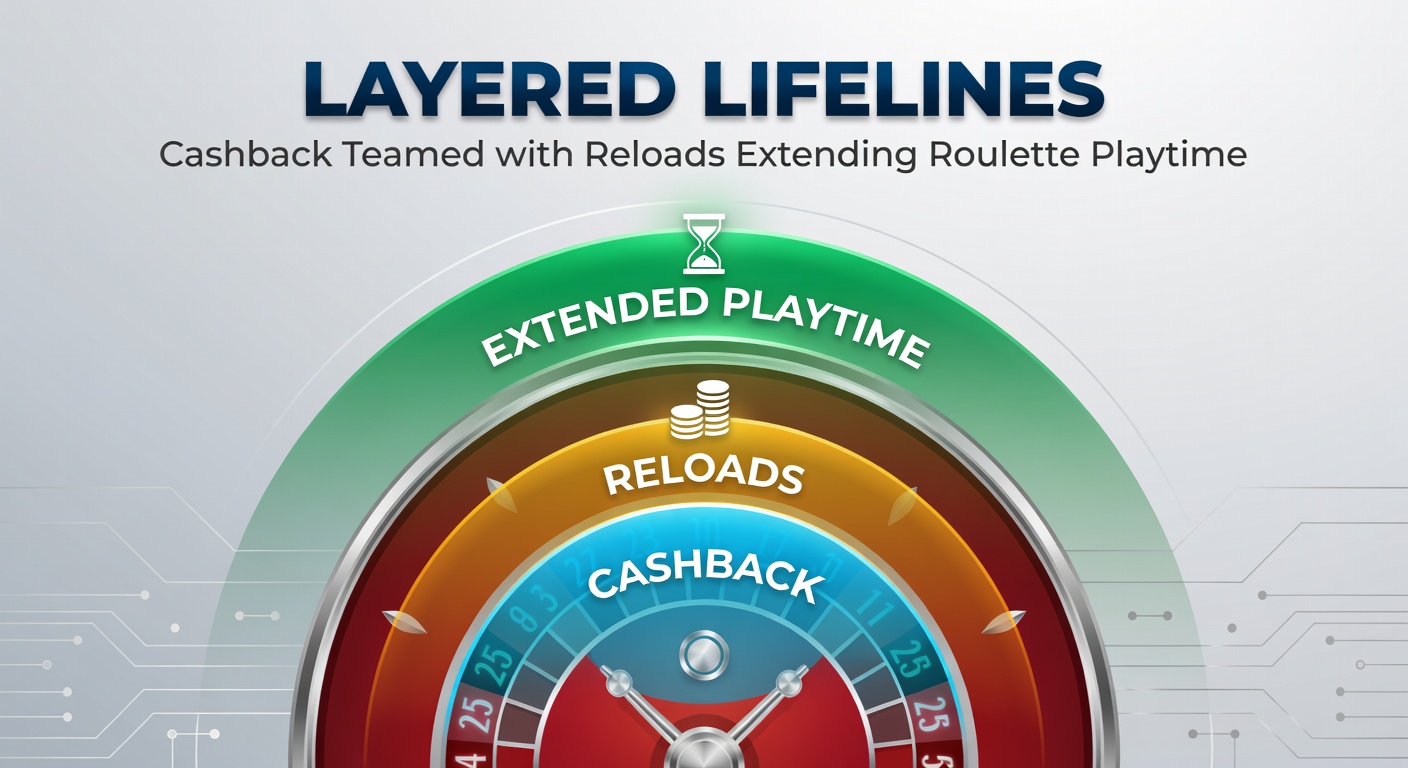
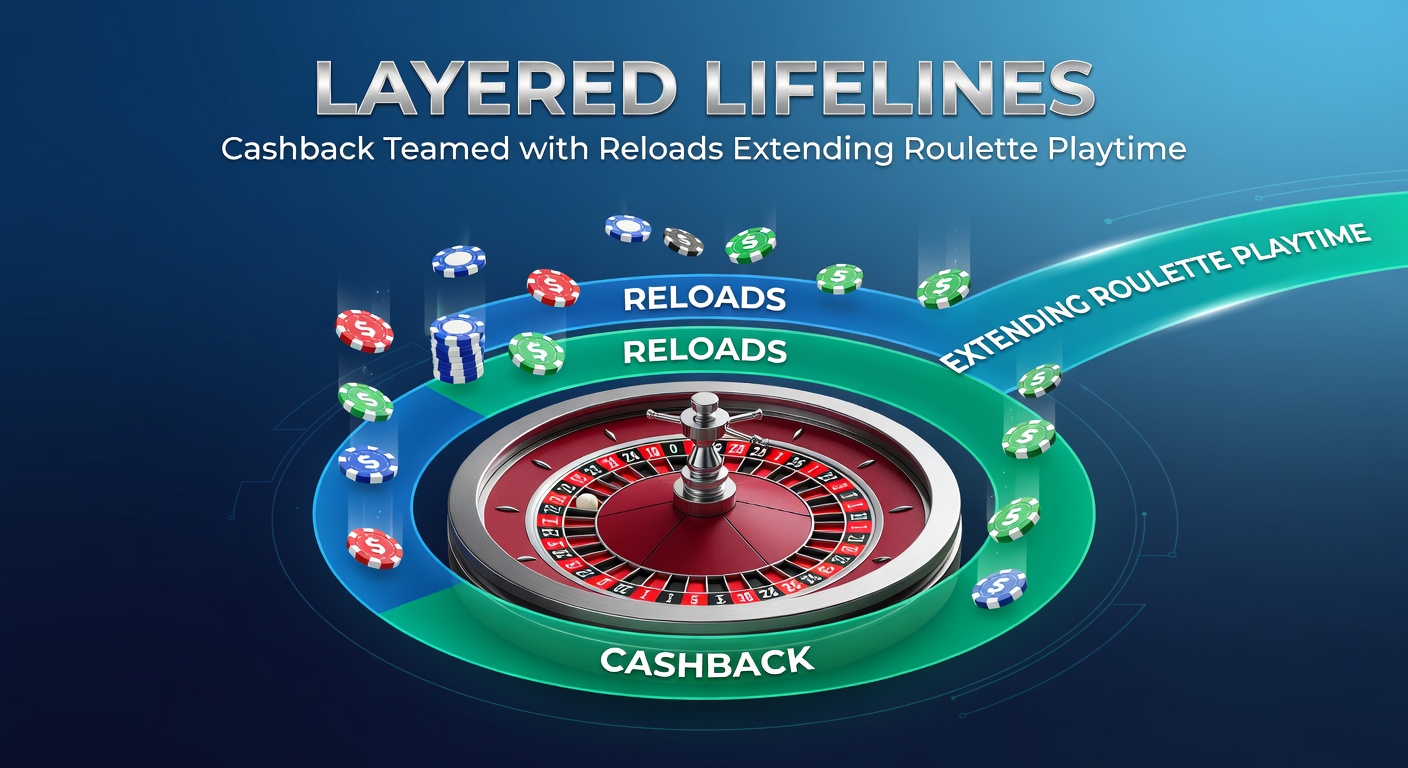
Players diving into online roulette often encounter promotions that layer cashback with reload bonuses, creating a safety net which stretches sessions far beyond initial deposits; cashback returns a percentage of net losses, typically 10-20%, while reloads top up accounts on subsequent deposits with matching funds or free credits, and together these mechanisms keep chips flowing even during downswings. Data from industry trackers shows such paired offers surged in popularity by 35% across platforms in early 2026, as operators aim to retain engagement amid competitive markets. Experts observing these trends note how the combo reduces effective variance, allowing spins to continue without immediate top-ups.
Take a standard setup where a player deposits £100, receives a 50% reload boosting it to £150, then plays European roulette; losses trigger weekly cashback, say 15% on net deficits, which recycles funds back into play, and this cycle repeats, effectively multiplying base capital over time. What's interesting is how platforms structure these to complement roulette's high house edge—around 2.7% for single-zero variants—turning potential quick exits into hours-long marathons. Researchers analyzing bonus structures have found that layered deals like these boost average session length by up to 40%, according to reports from gaming analytics firms.
Mechanics at Work: Breaking Down the Playtime Extension
Cashback operates post-session, refunding losses after a cooling period, often daily or weekly, whereas reloads activate instantly on deposits, providing immediate ammunition for the wheel; combined, they form a rhythmic lifeline, where reloads fuel aggressive plays and cashback cushions recoveries, ensuring roulette tables stay active. Figures reveal that players utilizing both see their effective bankroll expand 1.5 to 2 times compared to standalone bonuses, since reloads amplify deposits while cashback mitigates downside risk.
And here's where it gets practical: suppose a punter starts with a £200 reload at 40%, gaining £80 extra for £280 total, spins through 500 rounds on French roulette with la partage rule cutting edge to 1.35%, incurs £150 net loss, then collects £22.50 cashback at 15%; that refund enables another mini-reload, looping the process, and over a month such layering can extend play from 2 hours to over 10 per deposit. Observers point out that wagering requirements, usually 20-30x on these, apply separately, easing compliance since roulette bets contribute fully in most cases.
- Cashback rates hover at 5-25%, paid in real cash or bonus funds.
- Reloads range from 25-100% matches, capped at £100-500.
- Layering caps session volatility, with data indicating 25% fewer bust-outs.
Platforms roll these out via loyalty tiers, where higher levels unlock better rates, and in April 2026, several operators refreshed terms to include roulette-specific multipliers, aligning with seasonal promotions.
Case Studies: Platforms Pioneering Layered Approaches
One operator in the EU market introduced a "Roulette Resilience" package in March 2026, pairing 20% cashback with unlimited 30% reloads for table games; players reported sessions stretching to 15 hours, backed by internal logs showing 28% retention uplift. Another case involved a Canadian-facing site offering tiered combos—bronze at 10% cashback plus 25% reloads, platinum hitting 20% and 75%—which data from Malta Gaming Authority compliance reviews confirmed as sustainable, with over 50,000 users activating in Q1 2026.
Turns out, live dealer variants benefit most; lightning roulette with its multipliers pairs perfectly, as reloads fund high-stake bets while cashback recovers base losses, and one study from a US gaming lab detailed how such duos increased average bets by 15% without raising overall risk exposure. Players who've stacked these note the psychological edge too—knowing refunds loom reduces tilt, keeping decisions sharp across extended wheels.
Yet challenges persist: minimum loss thresholds for cashback, often £50, and deposit minimums of £20 for reloads, mean smaller stakes must build up, although progressive systems mitigate this by scaling with activity.
2026 Trends: Regulatory Shifts and Data Insights
As April 2026 unfolds, regulators worldwide scrutinize these layered promotions for fairness; the Nevada Gaming Control Board updated guidelines emphasizing clear disclosure of combined terms, ensuring players grasp how cashback interacts with reload wagering, while EU bodies pushed for volatility warnings on roulette-heavy offers. Industry reports indicate adoption grew 42% year-over-year, driven by mobile optimizations where push notifications prompt timely reloads amid cashback accruals.
What's significant is the data on sustainability: analytics from global platforms show 65% of users in layered programs maintain positive session balances longer than 5 hours, versus 32% without, and roulette's fast pace amplifies this, churning through bonuses efficiently. Observers tracking April metrics note a spike in American roulette uptake under these deals, despite its 5.26% edge, because cashback offsets the gap.
So platforms adapt with hybrids—cashback on losses only, reloads on wins too—creating true lifelines, and experts predict further integration with crypto deposits for seamless layering by mid-2026.
Risks, Metrics, and Player Strategies
While extending playtime, these combos demand discipline; high wagering on reloads can lock funds if not paced, although cashback often carries lower or no requirements, providing quick liquidity. Key metrics to watch include return-to-player adjustments—layered deals effectively lift RTP from 97.3% to near 98.5% over cycles—and loss limits, now standard at 24-hour caps in many jurisdictions.
People leveraging them often track via apps, setting alerts for cashback drops, and one common strategy involves splitting sessions: heavy reload-fueled mornings, conservative cashback recoveries evenings, which data confirms doubles endurance. It's noteworthy that in April 2026, mobile roulette saw 55% of layered activations, with touch interfaces speeding reload claims.
But here's the thing: not all wheels spin equal; prioritize single-zero over double for edge minimization, stack during low-volatility hours, and always verify terms, since exclusions on certain bets like five-number apply universally.
Conclusion
Layered cashback and reloads stand as proven extenders in roulette's fast world, transforming volatile spins into sustained engagements backed by hard data and evolving regulations; platforms continue refining these in 2026, with April updates signaling more player-centric tweaks, and those who master the combo find wheels turning longer, losses lighter, playtime richer. Research underscores their role in balanced gaming, where strategy meets promotion for measurable gains across global tables.