Tiered Loyalty Climb: Progressive Rewards Redefining Roulette Dynamics at Top-Tier Platforms

The Mechanics of Tiered Loyalty Systems in Online Roulette
Operators at premier platforms craft tiered loyalty programs, often called loyalty ladders, where players ascend levels based on accumulated activity like wagers placed on roulette variants; these systems reward progression with escalating perks, from basic cashback to exclusive tournament access, and data from industry trackers shows such structures boost retention by drawing players into sustained sessions rather than one-off spins.
Take a typical setup: newcomers start at bronze or entry level, earning points per roulette bet—say one point for every £10 wagered—while climbing to silver requires 5,000 points, unlocking 5% weekly rebates on losses; gold tiers demand 50,000 points, offering personalized hosts and faster withdrawals, and platinum elites, reached after 500,000 points, grant VIP roulette tables with higher limits. Platforms integrate these seamlessly into roulette lobbies, where session trackers display real-time progress, nudging players toward the next rung.
What's interesting is how roulette's fast-paced nature accelerates ascent; European roulette, with its single-zero edge, lets players rack points efficiently since houses cap advantages at 2.7%, whereas American variants, despite 5.26% edges, appeal for volume betting that piles points quicker. Observers note that sites blending live dealer roulette with loyalty tracking see 30% faster tier climbs compared to static slots programs.
How Progressive Rewards Extend and Intensify Roulette Sessions
Tiered incentives reshape sessions by layering motivations—basic tiers hook casual spinners with free bets, but mid-level unlocks like loss rebates (often 10-15% at silver) encourage longer play to offset house edges, while top tiers deliver multipliers on roulette wins or priority seating in live games; studies from gaming analytics firms reveal players in higher tiers average 45% more spins per session than entry-level counterparts.
And here's where it gets compelling: platforms deploy session boosters tied to tiers, such as double points during peak hours on French roulette tables, prompting punters to extend evenings into marathons; one case from a leading operator showed silver members logging 2.5-hour average sessions versus 45 minutes for non-tiered players, with gold users pushing past three hours thanks to tailored notifications like "Climb to platinum for 20% roulette cashback."
Turns out, these ladders foster habit loops; researchers examining player data find that visible progress bars—common in roulette apps—trigger dopamine hits akin to video game achievements, keeping wheels spinning as tiers promise escalating value. Platforms report 25% session uplift post-tier promotion, where a jump from silver to gold coincides with roulette-specific perks like zero-fee European wheel access.
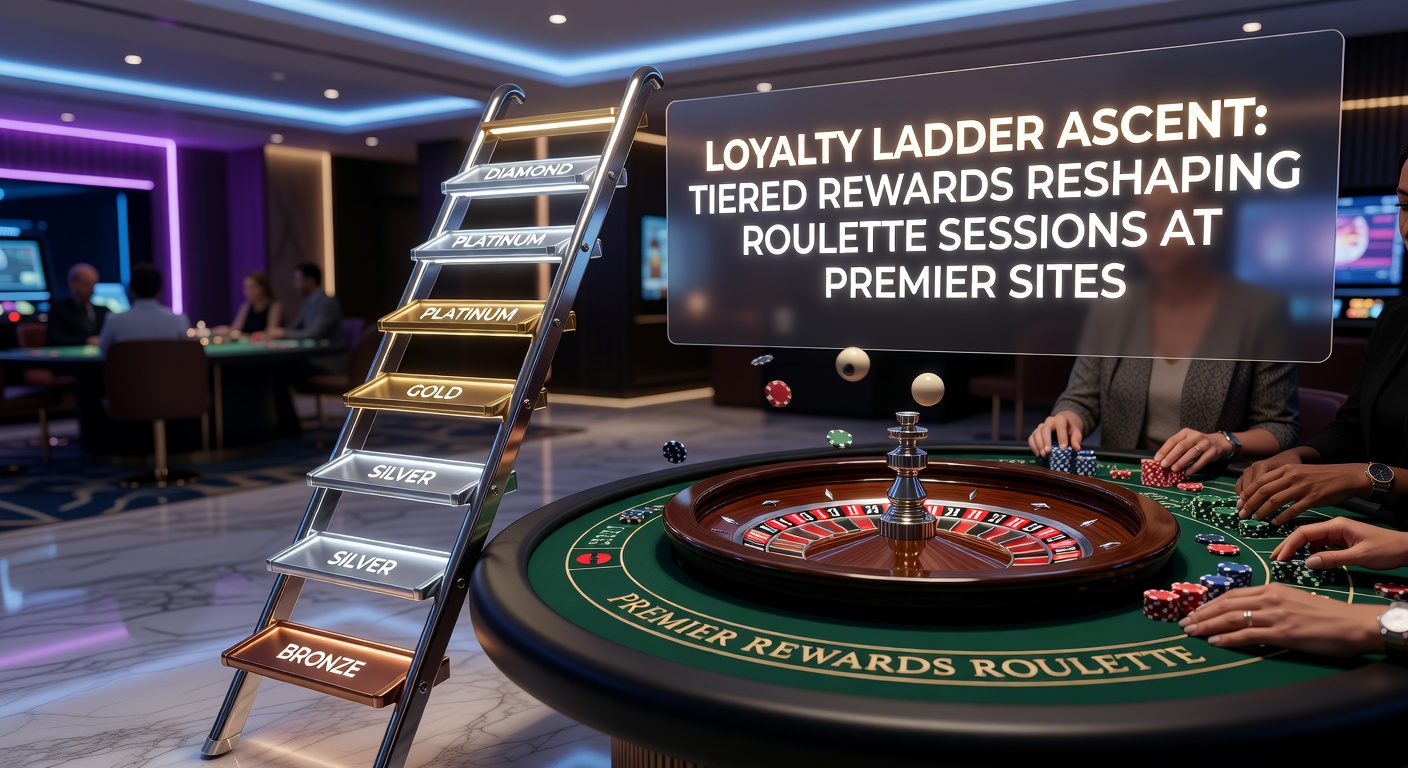
March 2026 Trends: Data Signals Surge in Tier-Driven Roulette Engagement
Figures from early March 2026 highlight a spike in tiered program adoption for roulette; analytics from the Malta Gaming Authority, overseeing many European platforms, indicate loyalty-linked roulette activity rose 18% year-over-year, with tiered members contributing 62% of gross gaming revenue from table games. Platforms rolled out updates tying loyalty points to live roulette multipliers, fueling sessions that stretched 20% longer amid spring promotions.
But here's the thing: North American data echoes this; reports from the American Gaming Association show U.S.-facing sites, adapting tiered models post-2025 regulations, witnessed roulette session durations climb to 2.8 hours for platinum players, up from 1.9 hours in 2025, as operators layered rewards like tiered free-play chips redeemable only on lightning roulette variants.
Experts tracking global patterns observe that mobile adaptations dominate; apps now sync loyalty across devices, letting players ascend during commutes via quick roulette rounds, and March stats reveal 40% of tier climbs happened on smartphones, reshaping casual spins into ladder-focused pursuits. Platforms in Australia, per local research, mirror this with tiered rebates hitting 15% at gold, extending desert-dry sessions into rainy-day marathons.
Case Studies: Premier Sites Pioneering Ladder Transformations
One prominent platform revamped its ladder in late 2025, introducing roulette-exclusive tiers where bronze yields 1x points, silver 1.5x on even-money bets, and diamond 3x during weekends; players who've climbed report sessions ballooning from 50 spins to 200, chasing tier-locked perks like private Immersive Roulette tables. Data from their logs confirms a 35% retention bump, with ladder ascents correlating directly to prolonged wheel time.
Another case unfolds at a veteran site blending tiers with roulette challenges—complete 1,000 spins at silver for a gold shortcut—and observers note punters treating sessions like quests, stacking bets on neighbors or orphans strategies to amass points faster. Turns out, this gamification lifted average session value by 28%, as tiers dangled escalating rebates: 8% at silver, 12% gold, 20% platinum.
Yet across elite venues, common threads emerge; sites capping tier decay (points lost after inactivity) keep dormant players returning to roulette, while dynamic ladders adjust rewards seasonally—March 2026 saw Easter boosts doubling ascent speeds, turning standard sessions into reward hunts. Those studying these evolutions point to 22% higher lifetime value for ladder climbers versus flat-reward users.
Challenges and Evolutions in Tiered Roulette Loyalty
While ladders propel engagement, platforms navigate hurdles like fair point accrual; regulators push transparency, ensuring roulette's variable outcomes don't skew ascents unfairly, and data indicates sites with audited systems retain 15% more tiered players. Evolutions include AI-driven personalization—algorithms suggest optimal roulette bets for point farming—extending sessions without overt pushes.
So players in mid-tiers often discover tailored paths, like bonus points for low-house-edge calls bets, and top platforms experiment wth cross-game ladders where roulette fuels broader ascents. It's noteworthy that March 2026 pilots in Canada integrated blockchain for verifiable tier progress, slashing disputes and boosting trust, which in turn lengthened sessions by 18% per early metrics.
The reality is these systems evolve rapidly; operators now tie tiers to responsible gaming, capping daily spins for ascent while rewarding paced play, and figures show balanced ladders cut churn by 12% without sacrificing session depth.
Conclusion
Tiered loyalty ladders stand as game-changers for roulette at premier platforms, transforming fleeting spins into structured climbs laden with progressive rewards that naturally extend and enrich sessions; data from March 2026 underscores this shift, with tiered players dominating activity metrics across regions, from Europe's audited hubs to North America's adaptive models. As platforms refine these mechanics—blending personalization, transparency, and roulette-specific incentives—the landscape promises even deeper engagement, where every wheel turn edges punters higher up the ladder, reshaping play one tier at a time.