Understanding Loyalty Tier Advancements in Digital Roulette Venues
Viktor Werner · Jul 27, 2026
Understanding Loyalty Tier Advancements in Digital Roulette Venues
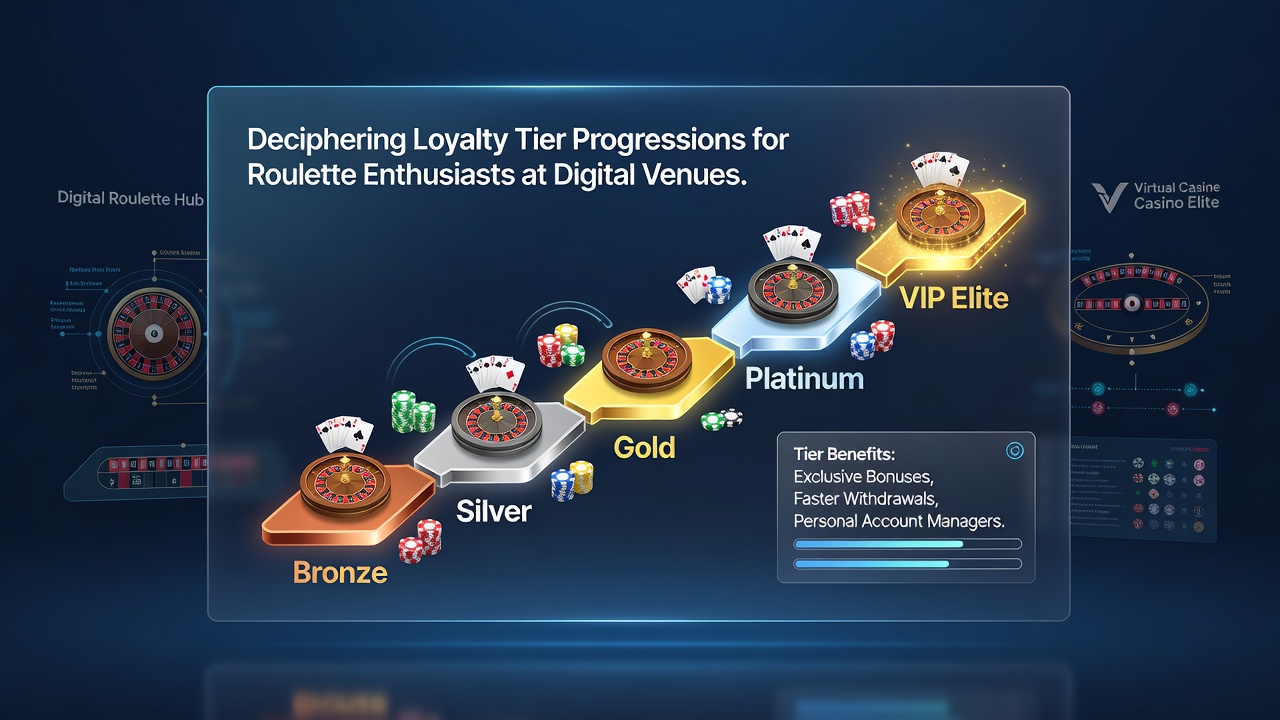
Digital roulette platforms structure loyalty programs around point accumulation systems that reward consistent play through tiered levels, and these frameworks typically begin with entry-level categories before advancing to higher statuses based on wagering volume and frequency. Points often accrue from bets placed on standard European or American variants, with multipliers applied during promotional periods in July 2026 according to platform algorithms that track player activity across mobile and desktop interfaces.
Core Mechanics of Point Accumulation
Players generate loyalty points primarily through real-money wagers on roulette tables, where each unit bet contributes a fixed ratio to their total, while live dealer sessions and automated variants apply identical tracking methods that update in real time. Platforms calculate progress toward the next tier using thresholds that reset on monthly or quarterly cycles, and data from industry reports shows average advancement rates vary by player engagement patterns with some reaching mid-level status after several weeks of regular sessions.
Additional bonuses such as accelerated point rates during specific hours or events can shorten progression timelines, and observers note that roulette enthusiasts who focus on high-volatility bets sometimes accumulate points faster than those preferring minimum-stake approaches. External factors like deposit frequency and session duration also factor into certain algorithms, although core progression remains tied directly to wager amounts across most venues.
Benefits Across Successive Tiers
Entry tiers commonly provide basic perks including occasional cashback percentages and access to standard bonus rounds, whereas intermediate levels unlock enhanced rebates alongside personalized roulette promotions and priority customer support channels. Higher tiers introduce exclusive features such as dedicated account managers, higher withdrawal limits, and invitations to special tournaments that feature modified wheel configurations or increased payout structures.
Those who study these programs find that top-tier status often includes complimentary spins on select variants plus reduced house edge options during designated periods, and research indicates players at advanced levels report longer average session times due to the compounded value of ongoing rewards. Figures from gaming associations reveal that loyalty structures in digital environments have incorporated more granular tracking since 2025, allowing finer adjustments to point multipliers based on game type participation.
Regional Variations in Program Design
Venues operating under different regulatory frameworks adapt their loyalty mechanics accordingly, with North American platforms emphasizing cashback integration while European operators frequently incorporate tournament entries as tier incentives. Australian sites, for instance, have introduced hybrid models that blend point systems with responsible play tools, and data from the Victorian Responsible Gambling Foundation highlights how these adaptations influence retention metrics among roulette participants.
Canadian regulatory bodies oversee similar structures that prioritize transparency in point valuation, and analysts observe consistent patterns where mid-tier benefits focus on convenience features like faster loading times for live roulette streams. Progression speed can differ based on regional player demographics, with some markets showing quicker tier climbs among users who engage multiple game types beyond roulette alone.
Tracking and Optimization Strategies
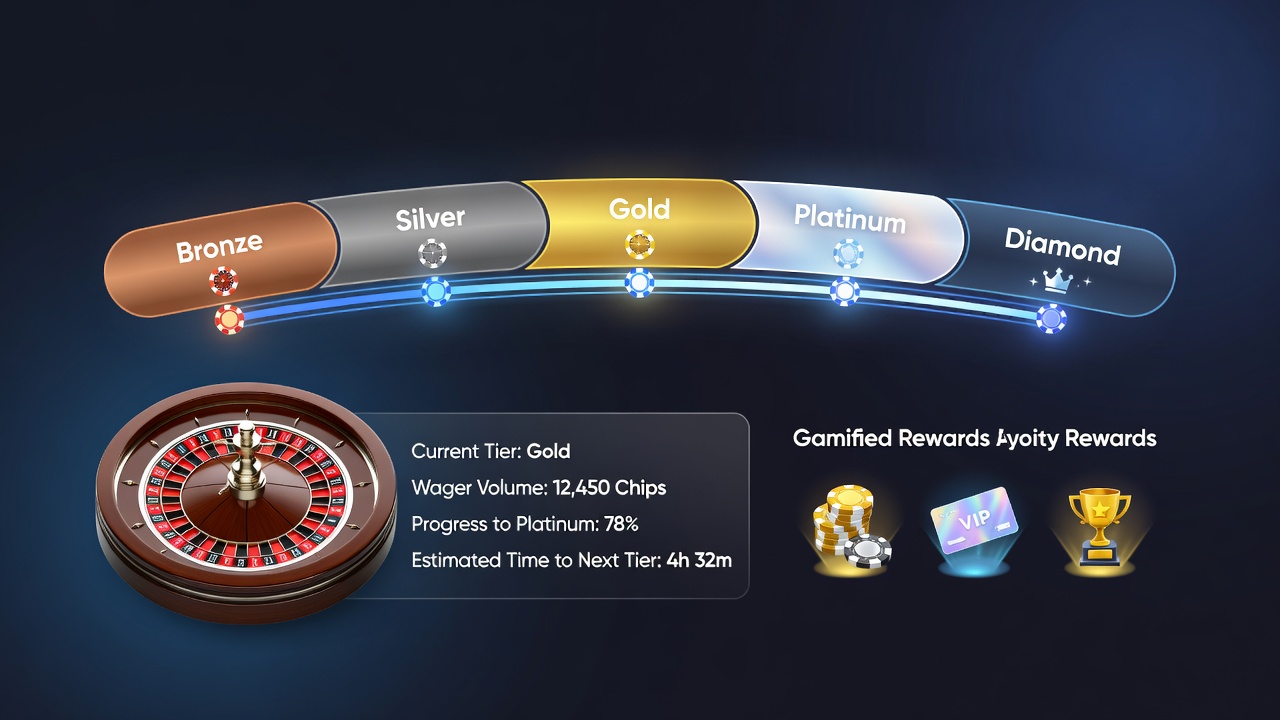
Most digital venues supply in-app dashboards that display current point totals alongside projected advancement dates, allowing users to monitor progress without external calculations. Those who review historical activity logs often identify peak earning periods and adjust their play schedules to align wth bonus multiplier windows, and one case where platform data was analyzed revealed that consistent weekly participation accelerated tier movement by measurable margins compared to sporadic sessions.
External resources such as reports from the American Gaming Association provide broader context on how loyalty frameworks evolve across markets, while academic studies from institutions like the University of Nevada Reno examine correlations between tier benefits and player behavior patterns in simulated environments. These insights help clarify why certain roulette variants contribute differently to point totals depending on payout structures and betting limits.
Future Developments in Tier Systems
As of July 2026 platforms continue refining algorithms to incorporate machine learning elements that predict optimal reward timing for individual users, and this shift allows more personalized progression paths without altering base point rates. Integration with broader casino ecosystems means roulette activity sometimes feeds into multi-game loyalty pools, creating crossover opportunities for enthusiasts who explore additional titles.
Regulatory updates in various jurisdictions emphasize clearer disclosure of tier requirements, and this trend supports greater player awareness regarding how specific wager types influence advancement. Observers note ongoing experimentation with tier durations that extend beyond standard cycles in select markets, potentially stabilizing benefits for long-term participants.
Conclusion
Loyalty tier progressions in digital roulette settings operate through interconnected systems of point generation, threshold management, and benefit distribution that adapt to player habits over time. Understanding these elements enables more informed navigation of available rewards, while data from diverse regulatory and research sources continues to shape how platforms refine their structures for sustained engagement across regions.