Unpacking Cross-Device Reward Portability Patterns Among Regulated Wheel Game Platforms
Greta Hoffmann · Jul 22, 2026
Unpacking Cross-Device Reward Portability Patterns Among Regulated Wheel Game Platforms
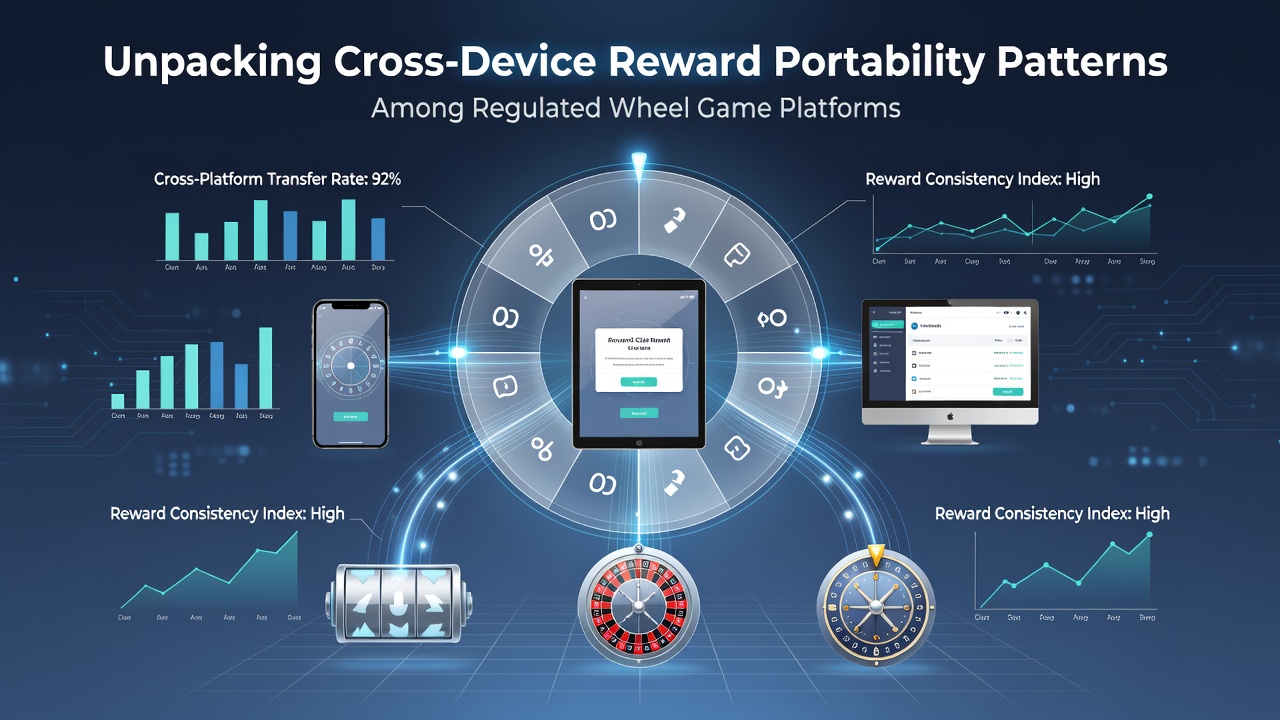
Regulated wheel game platforms have developed intricate systems that allow rewards to transfer seamlessly between devices while maintaining compliance with varying jurisdictional standards, and data from multiple oversight bodies indicate steady growth in these capabilities through mid-2026. Operators achieve this portability by linking player accounts to centralized servers that track bonus balances, wager progress, and eligibility flags in real time, so a session started on a desktop computer can resume on a tablet without resetting accumulated credits or promotional terms.
Regulatory Foundations Across Jurisdictions
Authorities in North America and Europe establish baseline requirements for reward portability that emphasize audit trails and player protection, whereas Australian state regulators focus on transaction logging that supports cross-device continuity. The Nevada Gaming Control Board requires operators to maintain synchronized records that prevent duplication of bonuses when accounts move between platforms, and similar rules appear in reports from iGaming Ontario that highlight standardized APIs for reward data exchange. These frameworks emerged from earlier concerns about fragmented player experiences, yet they now support broader adoption as mobile traffic exceeds sixty percent of total wheel game volume in several markets.
Industry groups such as the American Gaming Association have documented how compliance teams integrate geolocation checks with account synchronization protocols, ensuring rewards remain valid only within approved regions while still allowing device switches inside those boundaries. Researchers at the University of Nevada, Reno examined transaction logs from 2025 and found that platforms using unified wallet systems reduced reward disputes by nearly forty percent compared with segmented systems that treated each device as a separate environment.
Technical Patterns in Reward Synchronization
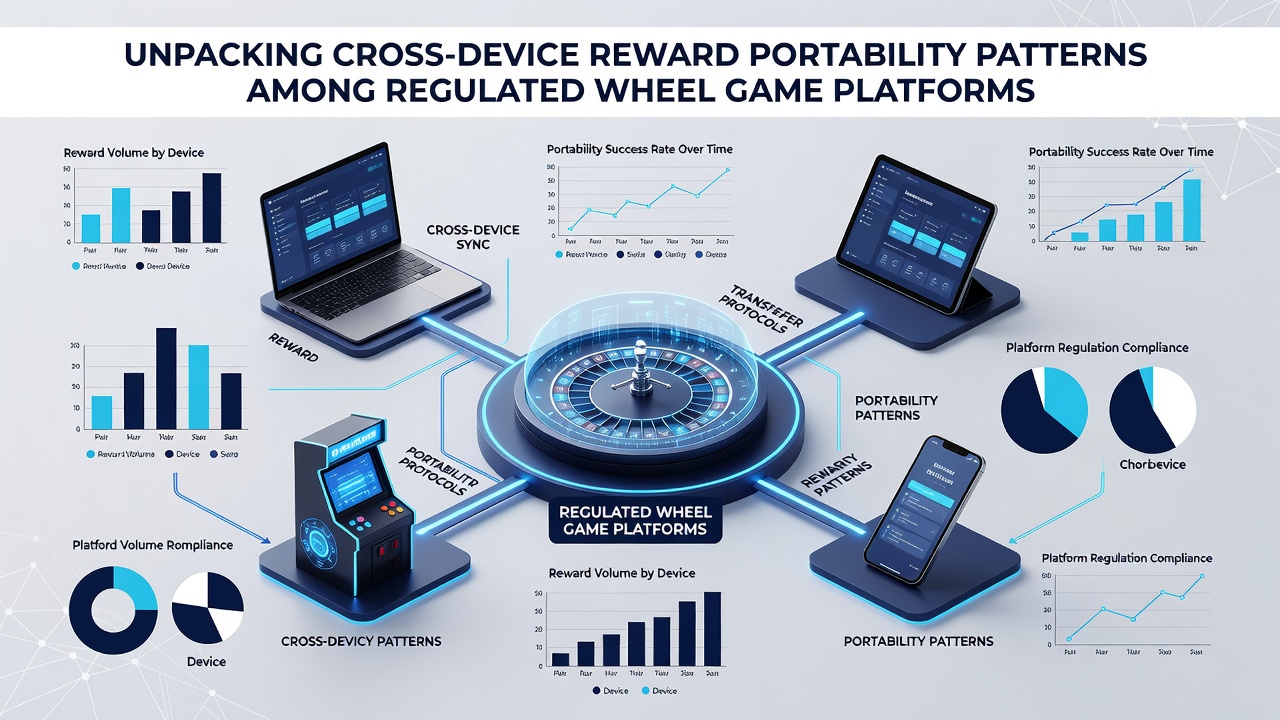
Wheel game platforms employ cloud-based player management systems that assign unique identifiers to every bonus instance, then replicate those identifiers across device sessions through encrypted channels. When a player initiates a roulette spin on a smartphone and later switches to a laptop, the server confirms the original wager requirements and carries forward any remaining playthrough obligations without manual intervention from support staff. This approach relies on timestamped event logs that record every device handoff, creating an immutable chain that regulators can review during routine audits.
Some operators layer additional controls such as session tokens that expire after inactivity periods, which prevents simultaneous logins from triggering duplicate reward claims. Data compiled by the European Gaming and Betting Association shows that platforms adopting token-based synchronization experienced fewer instances of reward stacking, a practice where players attempted to claim the same promotion multiple times across devices before the system could reconcile the activity.
Observed User Behavior and Platform Responses
Analytics firms tracking regulated markets report that players who rotate between devices during single play sessions tend to complete higher percentages of their wagering requirements than those who remain on one device. This pattern holds across wheel games where bonus mechanics involve progressive multipliers that build over successive spins, and operators respond by surfacing device-agnostic progress meters within the game interface itself. July 2026 figures from several Canadian provincial reports indicate that cross-device sessions now account for over half of all active roulette accounts in Ontario and British Columbia, prompting platforms to prioritize mobile-responsive reward dashboards that mirror desktop functionality exactly.
Yet certain frictions persist when network conditions interrupt the synchronization handshake, and platforms mitigate these interruptions by queuing pending reward updates until connectivity returns. Those who have studied player support tickets note that most portability complaints stem from brief delays rather than permanent loss of credits, suggesting that existing reconciliation processes function reliably once the connection stabilizes.
Emerging Developments in July 2026
Platform updates rolled out during July 2026 introduced enhanced biometric verification steps that further secure reward transfers without adding noticeable friction to the player journey. These measures align with guidance from multiple regulators that encourage continuous authentication methods while preserving the convenience of seamless device switching. Observers note that the combination of biometric checks and real-time ledger updates has reduced unauthorized access attempts related to reward accounts, although comprehensive statistics from that month remain under review by industry analysts.
Conclusion
Cross-device reward portability in regulated wheel game platforms continues to evolve through coordinated efforts between operators and oversight bodies that prioritize both player convenience and regulatory compliance. Centralized account systems, standardized logging practices, and device-agnostic interfaces form the core infrastructure supporting these patterns, while ongoing refinements address residual technical and behavioral challenges. Data collected through 2026 demonstrate measurable improvements in reward utilization rates when portability functions operate without interruption, indicating sustained investment in these capabilities across major markets.