Wheels Within Wheels: Dissecting Layered Incentive Models for Online Table Games
Viktor Werner · Jul 13, 2026

Wheels Within Wheels: Dissecting Layered Incentive Models for Online Table Games
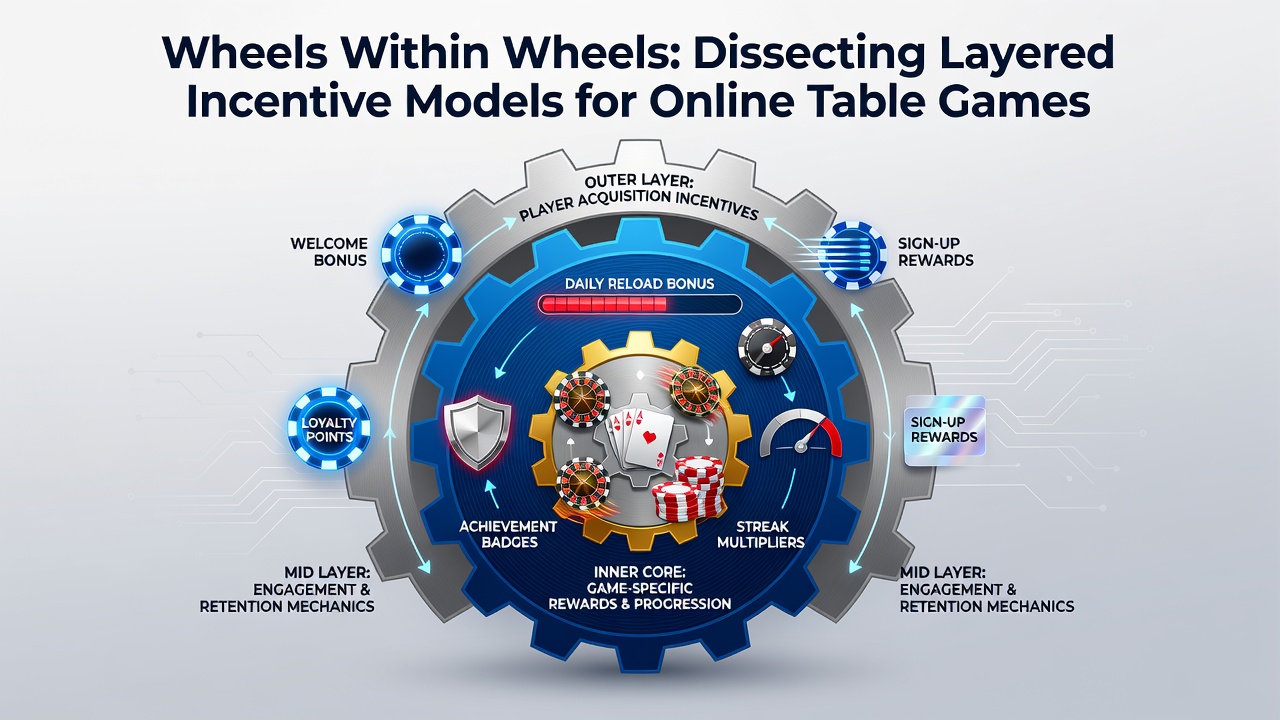
Layered incentive models in online table games combine multiple reward mechanisms that operate simultaneously, and these structures guide player progression through welcome offers, tiered loyalty programs, cashback systems, and game-specific multipliers, while data from industry analyses shows such models now appear across major platforms in multiple jurisdictions.
Core Components of Layered Systems
Base-layer incentives typically begin with deposit matches or no-deposit credits that convert into playable funds for table games such as roulette and blackjack, and operators then attach playthrough requirements that scale according to the initial amount received, whereas secondary layers introduce loyalty points earned per wager that unlock higher cashback percentages or exclusive table access once thresholds are met.
Third-layer elements often include time-limited multipliers applied during peak hours or specific game variants, and these multipliers stack with existing rewards so that a single spin or hand can trigger benefits from several programs at once; researchers at the International Gaming Institute have documented how such stacking increases average session length when measured across controlled trials conducted in 2025.
Progression Mechanics and Player Pathways
Many platforms structure their incentives as ascending tiers where each level grants incremental advantages, for instance moving from 5 percent cashback at entry tier to 15 percent at the top tier, while additional perks such as reduced wagering multipliers or priority support become available, and observers note that these pathways encourage consistent play across calendar quarters rather than isolated sessions.
July 2026 saw several operators introduce hybrid models that blend table-game rewards with seasonal events, allowing points accumulated during standard play to convert into entries for larger prize draws, and this approach integrates existing loyalty frameworks without requiring separate enrollment processes.
Regulatory and Technical Considerations
Regulatory frameworks in different regions impose varying constraints on how incentives may layer, and Australian authorities require clear disclosure of all conditions attached to each reward tier, whereas Canadian provincial regulators focus on ensuring that combined bonus values remain within prescribed limits relative to deposit size.
Technical implementation involves tracking multiple variables simultaneously, including wager history, time since last deposit, and current tier status, and platforms that manage these calculations efficiently report higher retention metrics according to figures released by the European Gaming and Betting Association in early 2026.
Examples from Current Market Practice
One documented structure offers a 100 percent match on the first deposit followed by a separate 20 percent cashback pool that activates after 500 qualifying wagers, while a parallel loyalty track awards points that convert into free bets usable exclusively on live dealer tables, and players who reach the fourth tier within six months receive an additional multiplier on all future cashback.
Another configuration ties bonus funds to specific table-game categories, granting higher percentage returns on roulette variants than on card games, and this differentiation directs traffic toward games with particular house-edge profiles while still allowing the same underlying loyalty engine to operate across the entire portfolio.
Measurement and Adjustment Cycles
Operators monitor incentive performance through metrics such as bonus-to-deposit ratios, average days between deposits, and tier-migration rates, and adjustments typically occur quarterly when data indicates that certain layers are underutilized or that stacking effects exceed intended parameters.
Cross-platform comparisons reveal that models emphasizing longer-term loyalty tiers rather than front-loaded welcome offers tend to produce steadier revenue curves, and this pattern holds across both European and North American markets according to aggregated industry reports.
Conclusion
Layered incentive models for online table games continue to evolve through incremental refinements rather than wholesale redesigns, and the interplay between base rewards, progressive tiers, and conditional multipliers creates systems that adapt to regulatory shifts and player behavior data alike, with July 2026 marking another round of targeted updates across multiple jurisdictions.