When player habits shape the wheel: custom roulette promotions powered by analytics in Britain
Riley Richter · Aug 19, 2026
When player habits shape the wheel: custom roulette promotions powered by analytics in Britain
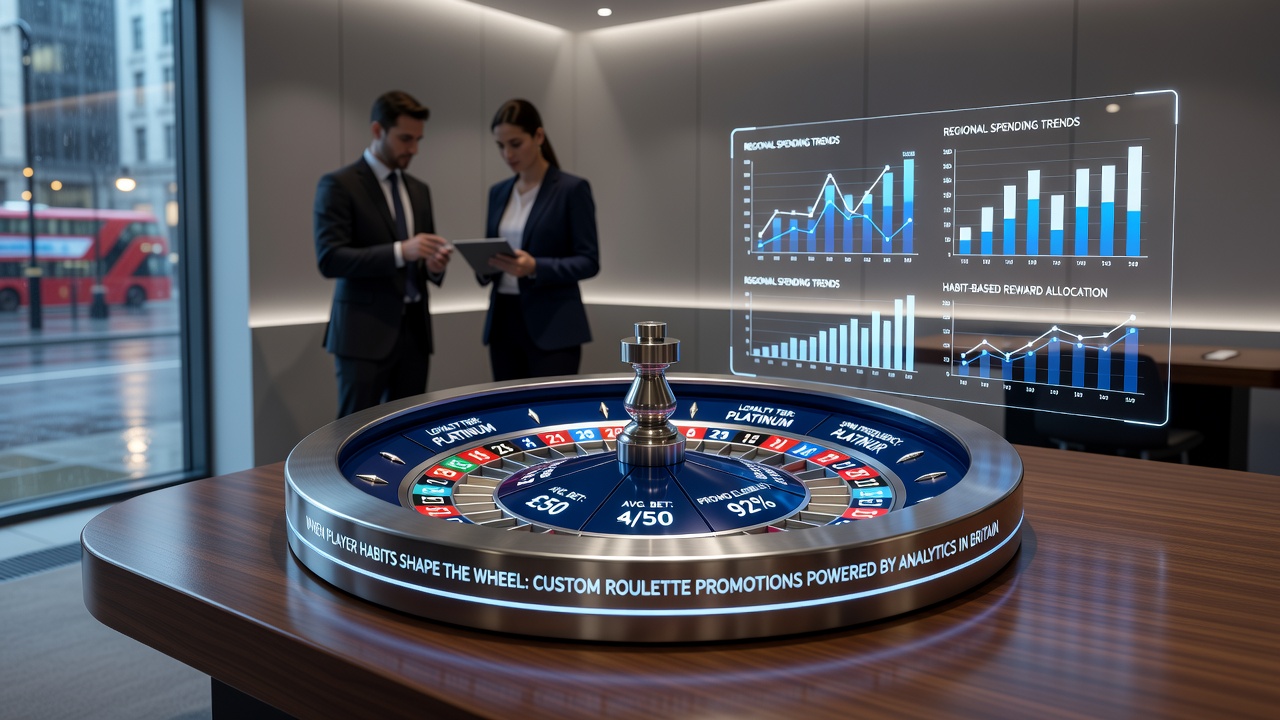
Operators across Britain have turned to detailed analytics platforms that track betting patterns, session lengths, and preferred game variants to generate tailored roulette promotions, and these systems draw from large datasets compiled over multiple quarters. In August 2026 several major platforms reported that custom offers built around individual play histories produced measurable lifts in retention metrics compared with generic bonus structures.
Data collection methods behind tailored offers
Analytics teams gather information through account activity logs, device usage statistics, and time-of-day preferences while players engage with digital roulette tables. These inputs feed algorithms that segment users into groups such as high-frequency evening spinners or weekend low-stake explorers, allowing operators to adjust promotion parameters like wager multipliers or cashback percentages accordingly. Researchers at the European Gaming and Betting Association have documented similar segmentation techniques across multiple European markets, noting that Britain’s mature online sector provides particularly granular datasets because of widespread mobile adoption.
One study released in early 2026 examined how session duration data influences bonus timing, revealing that players who typically complete twenty to thirty spins within the first hour receive offers that unlock additional free bets after the fifteenth spin rather than at the start of play. Such adjustments reduce overlap with standard welcome packages and align rewards more closely with observed behaviour.
Examples of habit-driven roulette campaigns
Platforms have introduced loyalty ladders that accelerate based on tracked roulette wheel selections, granting higher tier status to users who favour specific number clusters or betting systems. In one case a mid-sized operator adjusted its recurring deposit match for a cohort of players who showed consistent play on French roulette variants, replacing the standard percentage bonus with a targeted chip package that covered the la partage rule advantage during peak evening hours.

Another campaign identified users who paused after losses and delivered time-limited cashback that activated only on the next deposit made within forty-eight hours. Figures from industry reports indicate these conditional rebates maintained engagement levels more effectively than blanket cashback structures, because the timing matched documented recovery patterns rather than random distribution windows.
Regulatory environment and responsible implementation
British operators must balance custom promotion design with existing player protection frameworks that require clear disclosure of terms and spending limits. Analytics systems incorporate automated flags that pause personalised offers when play patterns deviate from established norms, directing those accounts toward responsible gambling tools instead of further incentives. Data from the Canadian Gaming Association’s 2025 cross-border comparison showed that jurisdictions with mature analytics oversight experienced fewer regulatory interventions when segmentation tools included built-in harm-minimisation triggers.
August 2026 updates to platform dashboards included new reporting fields that allow operators to demonstrate how custom roulette promotions correlate with session time caps and deposit frequency controls, satisfying audit requirements without halting the use of behavioural data.
Future developments in analytics-led promotions
Continued refinement of machine-learning models is expected to incorporate real-time biometric indicators from wearable devices where permitted, though current implementations remain limited to in-app behavioural signals. Observers note that integration of external data sources, such as weather patterns or major sporting events, could further refine when certain roulette offers appear, because historical logs already show correlations between external events and shifts in betting volume.
Conclusion
Analytics-driven customisation has become a standard component of roulette promotion strategies in Britain, supported by detailed player habit tracking and measured against regulatory benchmarks. As datasets expand and segmentation tools mature, operators continue to align reward structures with documented behaviour while maintaining compliance frameworks that protect account holders.